
Ube Latte vs Matcha Latte: Which One Wins in the US?
If you're a latte enthusiast searching for your next favorite drink, you've likely encountered the vibrant world of colorful lattes. Two contenders are capturing attention across American coffee shops: the stunning purple Ube latte and the classic green Matcha latte. But which one deserves a permanent spot in your daily routine?
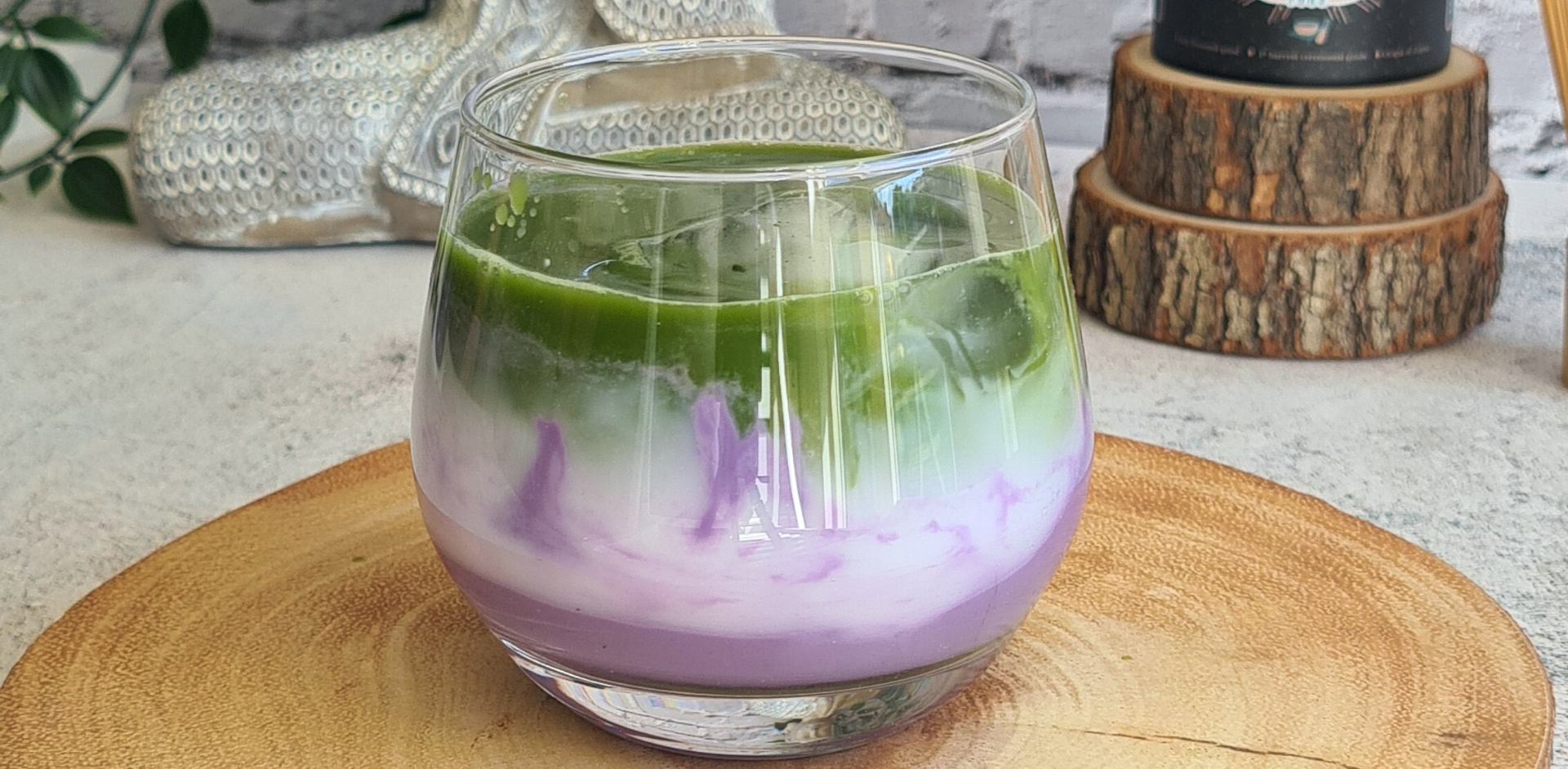

In this comprehensive comparison, we'll explore everything you need to know about these trending beverages, from their unique flavors and health benefits to their cultural origins and preparation methods. Whether you're looking to expand your palate or make a healthier choice, this guide will help you discover which latte truly wins for your lifestyle. ☕
What Is Ube and Why Is It Trending in the US?
Ube (pronounced "OO-beh") is a purple yam native to the Philippines that has taken the American food scene by storm. Unlike regular sweet potatoes, ube offers a distinctive flavor profile that's subtly sweet with hints of vanilla and a creamy, almost coconut-like undertone.
Why Americans are falling in love with Ube:
The rise of ube in the United States reflects a growing appetite for authentic international flavors and Instagram-worthy foods. Its striking natural purple color makes it instantly recognizable and highly shareable on social media. Beyond aesthetics, ube provides a unique taste experience that stands apart from conventional coffee shop offerings.
Filipino-American communities have long cherished ube in traditional desserts like halo-halo and ube halaya. Now, mainstream America is discovering what they've known for generations: ube is delicious, versatile, and nutritious. The ube latte represents the perfect fusion of Filipino culinary heritage and modern café culture. 🍠

Understanding Matcha: The Green Powerhouse
Matcha is finely ground powder made from specially grown and processed green tea leaves. Originating from Japan, matcha has been an integral part of Japanese tea ceremonies for centuries and has established itself as a wellness staple in the United States.
The Matcha phenomenon in America:
Matcha's popularity exploded in the US over the past decade, driven by its impressive antioxidant content and natural energy-boosting properties. Unlike regular green tea, matcha involves consuming the entire leaf, which means you're getting concentrated nutrients in every sip.
The distinctive earthy, slightly bitter taste of matcha appeals to those seeking a sophisticated, less sweet alternative to traditional lattes. Its vibrant green color and frothy texture have made it a staple in health-conscious cafés nationwide. 🍵
Flavor Profile: A Taste Comparison
Ube Latte Flavor Experience
When you take your first sip of an ube latte, you'll notice its remarkably smooth and naturally sweet character. The flavor is complex yet approachable imagine a subtle blend of vanilla, coconut, and white chocolate, all wrapped in a creamy, earthy undertone. Ube doesn't overpower; it complements.
The beauty of ube powder in lattes is its ability to create a dessert-like experience without excessive sweetness. You can enjoy the indulgent flavor while still maintaining a balanced beverage. When combined with your choice of milk and espresso, ube creates a harmonious taste that feels both exotic and comforting.
Matcha Latte Flavor Experience
Matcha delivers a distinctly different flavor journey. It's characterized by a vegetal, grassy taste with natural umami notes and a pleasant, mild bitterness. Quality matcha offers a smooth finish with a subtle sweetness that emerges after the initial earthy tones.
For those new to matcha, the flavor can be an acquired taste. However, once you appreciate its complexity, matcha becomes incredibly satisfying. The bitterness can be balanced with sweeteners or various milk options, allowing you to customize your experience to your preferences.
The verdict: If you prefer naturally sweet, dessert-inspired flavors, ube wins. If you enjoy sophisticated, earthy notes with energizing properties, matcha takes the crown. Your personal taste preferences will ultimately guide your choice. 🎯
Nutritional Benefits: Which Is Healthier?
Ube Powder Nutritional Profile
Ube isn't just about beautiful color and delicious taste it packs impressive nutritional value that supports your wellness goals:
Rich in antioxidants: Ube contains powerful anthocyanins, the same compounds that give blueberries and other purple foods their color. These antioxidants help combat oxidative stress and support cellular health.
Excellent source of complex carbohydrates: Unlike refined sugars, ube provides sustained energy without the crash. The complex carbohydrates release slowly, keeping you satisfied longer.
Vitamin and mineral content: Ube offers vitamin C for immune support, potassium for heart health, and fiber for digestive wellness. It's also naturally lower on the glycemic index compared to regular potatoes.
Anti-inflammatory properties: Research suggests that the compounds in purple yams may help reduce inflammation in the body, supporting overall health and wellness.
Matcha Powder Nutritional Profile
Matcha has earned its reputation as a superfood for good reasons:
Exceptional antioxidant concentration: Matcha contains high levels of catechins, particularly EGCG (epigallocatechin gallate), which research shows may support metabolism, brain function, and cellular health.
Natural caffeine with L-theanine: This unique combination provides sustained energy and mental clarity without the jitters often associated with coffee. L-theanine promotes relaxation while keeping you alert the perfect balance.
Metabolism support: Studies indicate that matcha may help boost metabolic rate and support fat oxidation, making it popular among those pursuing wellness goals.
Chlorophyll benefits: The high chlorophyll content supports natural detoxification processes and provides additional antioxidant benefits.
The health winner: Both offer remarkable benefits, but they serve different purposes. Matcha excels in energy support and metabolism, while ube provides sustained energy with anti-inflammatory benefits. You can't go wrong with either choice! 💪
Energy and Focus: The Caffeine Conversation
Ube Latte Energy Levels
Ube powder itself is naturally caffeine-free, making it an excellent choice for those sensitive to caffeine or looking to enjoy a latte in the evening. The energy you receive from an ube latte comes from the complex carbohydrates, which provide steady, sustained fuel without spikes and crashes.
If you're making an ube latte with espresso, you'll get the caffeine from the coffee component. However, many people enjoy ube lattes with steamed milk alone, creating a caffeine-free comfort drink perfect for any time of day.
Matcha Latte Energy Benefits
A typical serving of matcha contains approximately 70mg of caffeine less than coffee but enough to provide noticeable energy. The magic of matcha lies in how this caffeine is delivered to your system.
Thanks to L-theanine, matcha's caffeine releases gradually, providing sustained energy for 4-6 hours without the anxiety or crash that coffee can cause. You'll experience enhanced focus, improved concentration, and calm alertness what many describe as being "relaxed yet energized."
For energy seekers: Matcha wins if you need sustained focus and alertness. Ube is perfect for those wanting flavor and nutrition without stimulation. ⚡

Versatility and Preparation: Making Your Perfect Latte
How to Prepare an Ube Latte
Creating the perfect ube latte at home is remarkably simple with quality ube powder:
- Heat your milk: Warm 8-10 oz of your preferred milk (dairy, oat, almond, or coconut all work beautifully)
- Add ube powder: Mix 1-2 tablespoons of ube powder into hot water or directly into warm milk
- Blend for frothiness: Use a frother or blender for that café-quality foam
- Optional espresso: Add a shot if you want caffeine
- Sweeten to taste: Ube's natural sweetness often requires minimal additional sweetener
The vibrant purple color makes every ube latte visually stunning, turning your morning routine into an Instagram-worthy moment.
How to Prepare a Matcha Latte
Matcha preparation is an art form, but you can master it easily:
- Sift matcha powder: Use 1-2 teaspoons of matcha, sifted to prevent clumps
- Create paste: Add a small amount of hot (not boiling) water and whisk vigorously
- Add milk: Pour in 8-10 oz of heated milk of your choice
- Froth and enjoy: Blend or froth for a creamy texture
- Adjust sweetness: Add honey, maple syrup, or your preferred sweetener
Both lattes offer endless customization options, allowing you to experiment with different milk types, sweeteners, and flavor additions. 🥛
Cultural Significance and Authenticity
Ube's Filipino Heritage
When you enjoy an ube latte, you're participating in Filipino culinary tradition. Ube has been central to Filipino cuisine for generations, featured in beloved desserts and celebrations. By choosing ube, you're supporting cultural diversity and exploring authentic international flavors.
The growing popularity of ube in America represents increased appreciation for Filipino culture and cuisine. It's more than a trend it's cultural recognition and celebration.
Matcha's Japanese Legacy
Matcha carries centuries of Japanese tradition, from elaborate tea ceremonies to modern wellness practices. The cultivation and processing of matcha requires expertise passed down through generations of Japanese tea masters.
Choosing quality matcha means respecting and supporting this rich cultural heritage. It connects you to ancient traditions while meeting modern health needs.
Both beverages offer you the opportunity to experience and honor different cultures through your daily drink choices. 🌏
Price Point and Value Comparison
Investment in Ube Powder
Quality ube powder typically ranges from $15-30 per container, depending on sourcing and quality. One container usually provides 20-30 servings, making each latte cost approximately $0.50-$1.50 when prepared at home.
Compare this to café prices of $5-7 per ube latte, and you'll see significant savings. Plus, you control the quality of ingredients and can adjust the recipe to your exact preferences.
Investment in Matcha Powder
Premium matcha varies widely in price, from $20-40 for ceremonial grade options. Like ube, preparing matcha at home costs substantially less than purchasing from a café, with homemade lattes costing approximately $1-2 per serving versus $5-8 at coffee shops.
Value perspective: Both options offer excellent value when prepared at home. Your investment pays off quickly, and you'll enjoy café-quality beverages whenever you desire.
 💰
💰
Sustainability and Ethical Considerations
When you choose your latte ingredients, you're making decisions that impact our planet. Look for ube and matcha products from suppliers who prioritize sustainable farming practices, fair labor conditions, and environmentally responsible packaging.
Quality ube powder from ethical sources supports Filipino farmers and communities. Similarly, choosing sustainably sourced matcha supports Japanese agricultural traditions and environmental stewardship.
Both options can align with your values when you select conscientious brands committed to positive impact. 🌱

Which Latte Wins for You?
The answer depends entirely on what you're seeking in your daily beverage:
Choose Ube Latte if you:
- Love naturally sweet, dessert-like flavors
- Want antioxidants without caffeine
- Prefer a visually stunning, Instagram-worthy drink
- Seek sustained energy from complex carbohydrates
- Want to explore Filipino culinary culture
- Enjoy versatile flavors that pair with various occasions
Choose Matcha Latte if you:
- Appreciate earthy, sophisticated flavors
- Need focused energy and mental clarity
- Want maximum antioxidant concentration
- Prefer traditional wellness beverages
- Seek metabolism support
- Enjoy Japanese cultural traditions
The real winner: Why choose just one? Both ube and matcha lattes offer unique benefits, flavors, and experiences. You can enjoy ube for relaxing evenings or weekend treats, and matcha for productive mornings and focused work sessions.
Experience the Purple Revolution with Our Premium Ube Powder
Ready to create your own delicious ube lattes at home? Our premium ube powder delivers authentic Filipino flavor, stunning color, and exceptional nutritional benefits in every serving.
What makes our ube powder special:
- 100% natural ingredients with no artificial colors or flavors
- Sourced directly from quality suppliers
- Easy to mix and incredibly versatile
- Perfect for lattes, smoothies, baking, and more
- Rich in antioxidants and nutrients
- Delivers consistent, vibrant results every time
Transform your daily routine with the exotic, comforting flavor of ube. Whether you're team purple or team green, you deserve to enjoy café-quality lattes that support your wellness goals and delight your taste buds.
Start your ube journey today and discover why this Filipino superfood is winning hearts across America. Your perfect purple latte awaits! 💜
👉Order your 100% natural organic ube powder at ube.com
👉 Explore our healthy recipes and join the community of ube enthusiasts!
👉 Subscribe to our newsletter to receive our ube tips and inspiration every week.


