

How to Store Ube Powder Properly for Maximum Freshness in the US
Have you invested in premium ube powder only to find it losing its vibrant purple color and distinctive flavor after just a few weeks? You're not alone. Many home bakers and culinary enthusiasts across the United States struggle with maintaining the quality of this treasured Filipino ingredient.
Before you begin, you can now find all of our UBE products from United States of America by clicking here:

The good news? With the right storage methods, you can preserve your ube powder's exceptional freshness, intense color, and authentic taste for months. This comprehensive guide will show you exactly how to protect your investment and ensure every recipe showcases ube at its magnificent best.
Why Proper Ube Powder Storage Matters 🔬
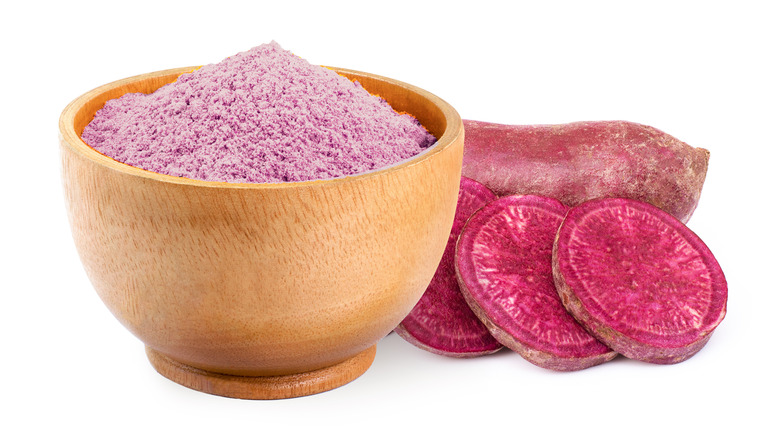
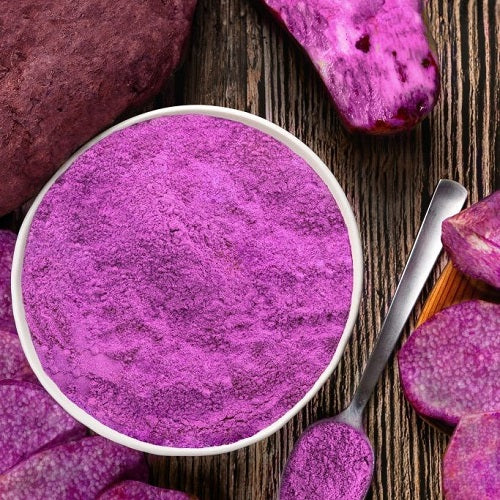
Before diving into storage techniques, let's understand why this matters for your culinary success. Ube powder, derived from the purple yam native to the Philippines, contains natural pigments called anthocyanins. These compounds are responsible for that stunning violet hue that makes your desserts Instagram-worthy.

However, these same pigments are sensitive to environmental factors. When exposed to light, heat, moisture, or air, your ube powder undergoes degradation that affects:
Color vibrancy: Your powder may fade from deep purple to dull brown Flavor intensity: The distinctive sweet, nutty taste diminishes over time Nutritional value: Beneficial antioxidants break down with improper storage Texture quality: Moisture exposure causes clumping and spoilage
By implementing proper storage practices, you protect not just the powder itself, but every creation you make with it from ube pandesal to purple yam ice cream.
The Four Enemies of Ube Powder Freshness ⚠️
Understanding what damages your ube powder helps you create the perfect storage environment:
Light Exposure
UV rays and even artificial lighting accelerate the breakdown of anthocyanins. This is why you'll notice commercially packaged ube powder often comes in opaque containers rather than clear plastic bags.
Heat and Temperature Fluctuations
High temperatures speed up oxidation processes that degrade both flavor and color. The USDA recommends storing dried goods below 75°F (24°C), but cooler is even better for preserving quality.
Moisture and Humidity
The US climate varies dramatically from the dry Southwest to humid Southeast. Moisture is particularly problematic because it creates an environment where mold can thrive and causes your powder to clump together.
Oxygen Exposure
Air contains oxygen that reacts with the natural compounds in ube powder through oxidation. This chemical process is the primary culprit behind flavor deterioration and color fading.
Essential Storage Containers for Ube Powder 📦
Your choice of container makes a significant difference in preservation success. Here's what works best in American kitchens:
Airtight Glass Jars (Recommended)
Dark amber or cobalt blue glass jars offer superior protection. Mason jars work well, but wrap them in aluminum foil or store in a dark cabinet to block light. Glass doesn't absorb odors and provides an excellent moisture barrier when properly sealed.
Food-Grade Plastic Containers
Choose BPA-free containers with secure, airtight lids. Look for containers specifically designed for powder storage with silicone gaskets that create an authentic seal. The downside? Plastic can absorb odors over time.
Mylar Bags with Oxygen Absorbers
For those storing large quantities or planning long-term preservation, food-grade mylar bags combined with oxygen absorbers provide professional-level protection. This method is popular among serious bakers who buy ube powder in bulk.
What to Avoid
Never store ube powder in the original packaging once opened unless it has a resealable, truly airtight closure. Standard ziplock bags don't provide adequate protection. Avoid metal containers unless they're specifically designed for food storage, as some metals can react with the powder's natural compounds.
Step-by-Step Guide: Storing Ube Powder in Your Kitchen 🏠
Follow these proven steps to maximize your ube powder's shelf life:
Step 1: Check the Powder Condition
Before storing, ensure your ube powder is completely dry and free from clumps. If you notice any moisture or unusual odors, this indicates the product may have been compromised before purchase.
Step 2: Choose Your Storage Location
Identify a cool, dark, and dry spot in your home. The ideal locations include:
- A dedicated pantry shelf away from the stove
- Kitchen cabinets furthest from heat sources
- A cool basement storage area (if humidity-controlled)
- Your refrigerator's main compartment (see refrigeration section below)
Avoid storing near your oven, dishwasher, or windows where temperature fluctuations are common.
Step 3: Transfer to Your Container
If using glass jars or plastic containers, ensure they're completely clean and thoroughly dried before transferring the powder. Any residual moisture will compromise your storage efforts. Use a clean, dry spoon for the transfer never pour directly from the bag if your hands have touched it.

Step 4: Add Protective Elements
Consider placing food-grade silica gel packets (like those found in vitamin bottles) or oxygen absorbers in your container. These small additions significantly extend shelf life by managing moisture and oxygen levels.
Step 5: Label and Date
Always label your container with the storage date. While properly stored ube powder can last 12-18 months, tracking storage time helps you use older powder first and maintain optimal freshness.
Should You Refrigerate or Freeze Ube Powder? ❄️
This question divides even experienced bakers, so let's clarify the facts:
Refrigerator Storage
Refrigeration can extend shelf life but introduces specific challenges in the US climate:
Benefits: Cooler temperatures slow degradation processes significantly
Risks: Every time you remove the container, condensation can form as the cold powder meets warmer air. This moisture exposure is exactly what we're trying to avoid.
Best practice: If refrigerating, allow the container to reach room temperature before opening. Take out only what you need for immediate use and return the container promptly.
Freezer Storage
Freezing offers the longest preservation period up to 24 months when done correctly:
The method: Use airtight, freezer-safe containers or mylar bags. Remove as much air as possible before sealing. Consider portioning into smaller amounts for single-use convenience.
Critical rule: Once frozen, avoid repeated thawing and refreezing. Each cycle introduces moisture that degrades quality.
Thawing properly: Transfer frozen powder to the refrigerator 24 hours before use, then allow it to reach room temperature while still sealed.
For Most Users: Room Temperature Storage
If you use ube powder regularly (within 6-8 months), properly executed room temperature storage in an airtight container in a cool, dark cabinet is your best option. It eliminates condensation risks while maintaining excellent quality.
Regional Storage Considerations Across the US 🗺️
Your location significantly impacts storage strategy:
Humid Climates (Southeast, Gulf Coast, Hawaii)
If you live in Florida, Louisiana, or other humid regions, moisture control is paramount. Silica gel packets are essential, and refrigeration may be necessary during summer months. Consider investing in a dehumidifier for your pantry.
Dry Climates (Southwest, Mountain West)
Arizona, Nevada, and similar areas have excellent natural conditions for storing ube powder. Standard airtight containers at room temperature work beautifully. Your main concern is protecting from heat during scorching summer temperatures.
Cold Climates (Northeast, Upper Midwest, Alaska)
Minnesota, Maine, and northern states have temperature advantages much of the year. However, indoor heating during winter can create dry, warm conditions near radiators. Store away from heating vents and maintain consistent temperatures.
Moderate Climates (Pacific Northwest, Northern California)
These regions offer ideal storage conditions naturally. Focus on light protection and consistent temperatures rather than extreme measures.
Signs Your Ube Powder Has Lost Quality 👀
Even with proper storage, knowing when powder has degraded helps you maintain standards:
Color changes: Fading from vibrant purple to grayish or brownish tones indicates oxidation Odor changes: Fresh ube powder has a subtle, sweet, earthy smell. Musty, sour, or "off" odors signal spoilage Clumping: Hard clumps that don't break apart easily suggest moisture exposure Flavor loss: If your recipes taste bland despite using the correct amount, the powder has lost potency
When in doubt, trust your senses. Quality ube powder should always look, smell, and taste fresh.
Maximizing Value: Smart Purchasing Strategies 💡
Storage success begins before you even bring ube powder home:
Buy Appropriate Quantities
Unless freezing for long-term storage, purchase amounts you'll use within 6-8 months. While bulk buying saves money initially, degraded powder wastes your investment.
Check Packaging Dates
Reputable sellers provide production or best-by dates. Choose the freshest available powder to maximize your storage window.
Inspect Upon Arrival
Immediately check your powder for proper color, smell, and texture. Address any concerns with your supplier right away waiting until you're ready to use it may be too late.
Consider Pre-Portioned Options
Some premium suppliers offer ube powder in smaller, individually sealed packets. While more expensive per ounce, this option ensures every portion stays fresh until opened.
Expert Tips for Extended Freshness 🌟
Professional bakers and food scientists share these additional insights:
Double container method: For ultimate protection, place your sealed container inside a second airtight container or bag. This creates a buffer zone against environmental changes.
Vacuum sealing: If you have a vacuum sealer, this removes oxygen most effectively. Portion into smaller bags for convenience.
Temperature monitoring: Keep a simple thermometer in your storage area. Maintaining consistent temperatures below 70°F (21°C) significantly extends shelf life.
Rotation system: If you frequently purchase ube powder, implement a "first in, first out" system. Label containers clearly and use older powder first.
Avoid cross-contamination: Always use clean, dry utensils when scooping powder. Never introduce moisture from wet measuring spoons or contaminate with other ingredients.
Common Storage Mistakes to Avoid ❌
Learn from others' experiences and sidestep these frequent errors:
Storing near spices: While convenient, strong-smelling spices can permeate ube powder over time, affecting its delicate flavor profile.
Using the original bag: Those thin plastic bags from online orders aren't designed for long-term storage once opened.
Ignoring humidity: US homes, especially in summer, can be surprisingly humid. Don't underestimate this factor.
Refrigerating without preparation: Simply tossing the container in the fridge without proper sealing invites moisture problems.
Overfilling containers: Leave some headspace to minimize air exposure and make accessing the powder easier without spills.
Your Questions Answered: Ube Powder Storage FAQ 💬
How long does ube powder last when properly stored? Room temperature in airtight containers: 12-18 months Refrigerated (with precautions): 18-24 months Frozen: Up to 24 months
Can I store ube powder with other baking ingredients? While space-saving, avoid this practice. Ube powder's delicate compounds can absorb flavors and odors from neighboring ingredients.
What if my powder has clumped slightly? Minor clumping from compression is normal. Sift before use. However, hard, moisture-induced clumps indicate quality degradation.
Is expensive packaging worth it? Quality storage containers are an investment that protects your ube powder investment. Consider the cost of replaced spoiled powder when evaluating container expenses.

Protecting Your Purple Treasure 💜
Proper storage transforms ube powder from a perishable ingredient into a reliable pantry staple. By controlling light, temperature, moisture, and oxygen exposure, you ensure every recipe showcases the vibrant color and authentic flavor that makes ube special.
Remember, the effort you invest in proper storage pays dividends in consistent baking results, reduced waste, and the satisfaction of creating stunning purple treats whenever inspiration strikes.
Whether you're crafting traditional Filipino kakanin or innovative fusion desserts, fresh ube powder makes all the difference. Implement these storage strategies today, and enjoy months of culinary success with this extraordinary ingredient.
👉Order your 100% natural organic ube powder at ube.com
👉 Explore our healthy recipes and join the community of ube enthusiasts!
👉 Subscribe to our newsletter to receive our ube tips and inspiration every week.


