
Organic vs Non-Organic Ube: Is It Worth It in the USA?
If you've discovered the vibrant purple magic of ube powder, you're likely facing an important decision: should you invest in organic ube powder or stick with conventional options? As ube continues to captivate American kitchens with its stunning color and unique flavor, understanding the differences between organic and non-organic varieties becomes essential for making an informed choice that aligns with your health goals and values.
Before you begin, you can now find all of our UBE products from United States of America by clicking here:

In this comprehensive guide, we'll explore everything you need to know about organic versus non-organic ube powder, helping you determine which option delivers the best value for your lifestyle and budget.

What Exactly Is Ube Powder? 🌟
Before diving into the organic debate, let's clarify what you're getting when you purchase ube powder. This vibrant purple powder is made from the Filipino purple yam (Dioscorea alata), a nutrient-dense root vegetable that's been dried and ground into a fine, versatile powder.
Ube powder has become increasingly popular in the USA for its impressive versatility. You can incorporate it into smoothies, baked goods, lattes, ice cream, and countless other recipes. Beyond its Instagram-worthy purple hue, ube offers a subtly sweet, nutty flavor that enhances both sweet and savory dishes.
Understanding Organic Ube Powder: What Sets It Apart? ✨
The Organic Certification Process
When you choose organic ube powder, you're selecting a product that meets strict USDA organic standards. This certification ensures that the purple yams were grown without synthetic pesticides, chemical fertilizers, genetically modified organisms (GMOs), or artificial additives.
The organic certification process involves rigorous inspections and documentation, guaranteeing that every step from soil preparation to harvesting and processing adheres to organic principles. This level of oversight provides you with peace of mind about what you're putting into your body.
Key Benefits of Organic Ube Powder
Lower Pesticide Exposure 🛡️
One of the most compelling reasons to choose organic ube powder is reduced exposure to synthetic pesticides. While conventional farming uses various chemical pesticides to protect crops, organic farming relies on natural pest control methods. For you, this means fewer chemical residues in your final product.
Studies have shown that organic produce contains significantly lower pesticide levels than conventional alternatives. When you're using ube powder regularly in your smoothies, desserts, or daily recipes, minimizing your pesticide intake becomes increasingly important for your long-term wellness.
Environmental Sustainability
By choosing organic ube powder, you're supporting farming practices that prioritize soil health, water conservation, and biodiversity. Organic farms work in harmony with nature rather than against it, creating sustainable ecosystems that benefit both the environment and future generations.
If environmental stewardship matters to you, organic ube powder aligns with your values while delivering the quality you deserve.

Potentially Higher Nutrient Density
Research suggests that organically grown produce may contain higher levels of certain antioxidants and beneficial compounds. While studies are ongoing, many organic ube powders preserve the natural antioxidant content of purple yams, including anthocyanins the powerful compounds responsible for ube's distinctive purple color and impressive health benefits.
These antioxidants support your body's natural defenses against oxidative stress, potentially contributing to better overall health and vitality.
No GMOs or Synthetic Additives
Organic certification guarantees that your ube powder is free from genetically modified organisms and synthetic processing aids. You're getting pure, unadulterated ube exactly as nature intended nothing more, nothing less.
Non-Organic Ube Powder: Understanding Your Options 💭
What You're Getting with Conventional Ube
Non-organic ube powder comes from conventionally grown purple yams that may be treated with synthetic pesticides, chemical fertilizers, and other agricultural inputs. However, this doesn't automatically make it unsafe or inferior.
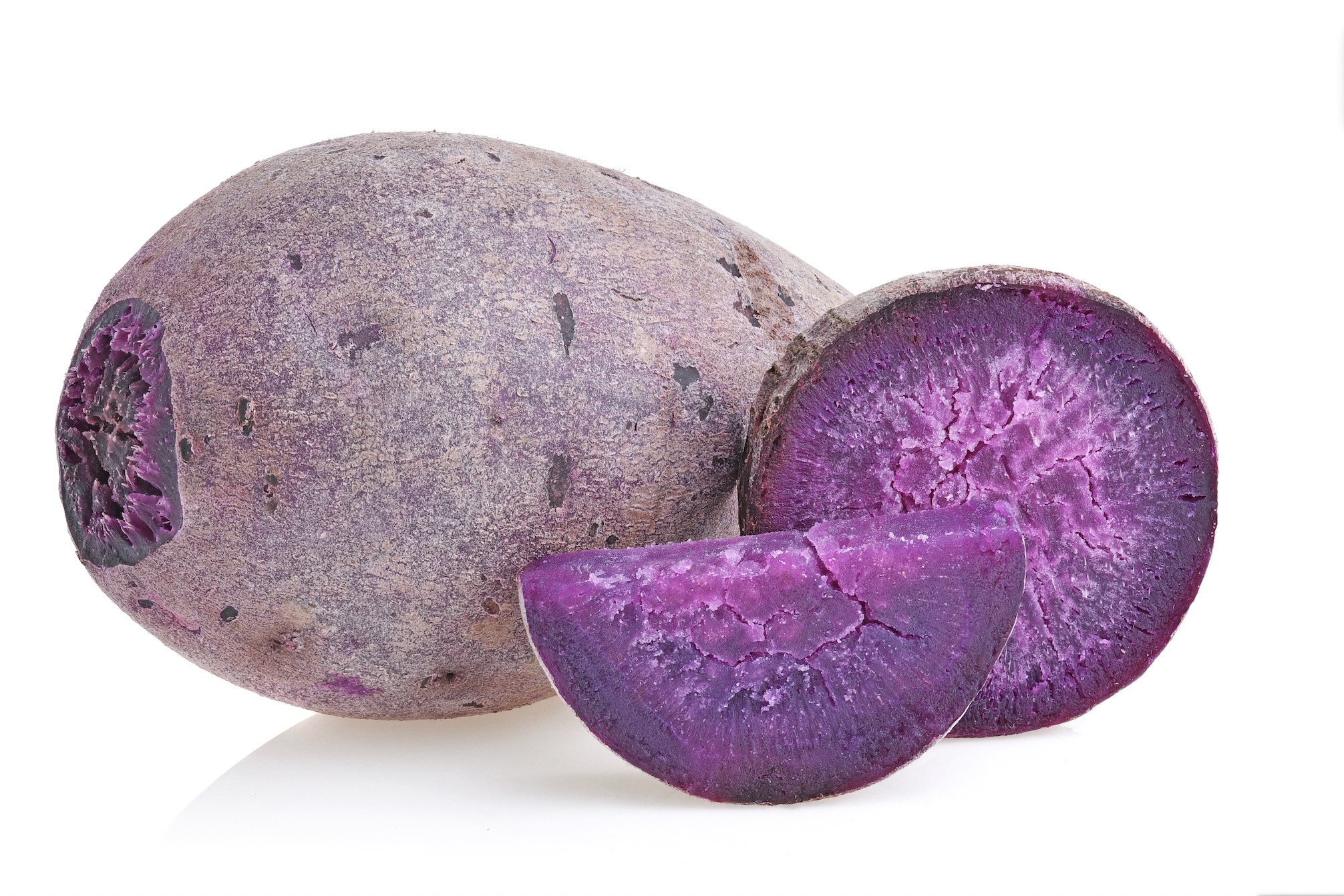
Conventional farming methods have been refined over decades to maximize yield and minimize crop loss, often resulting in more affordable products that make ube accessible to a broader audience.
Advantages of Non-Organic Ube Powder
Cost-Effectiveness 💰
The most obvious advantage of non-organic ube powder is price. Conventional ube powder typically costs 20-40% less than certified organic alternatives, making it an attractive option if you're budget-conscious or using ube powder in large quantities.
This price difference allows you to experiment with ube recipes more freely without worrying about breaking the bank.
Wider Availability
Non-organic ube powder is generally more widely available, both online and in physical stores. If you need ube powder quickly or live in an area with limited organic options, conventional ube ensures you can still enjoy this incredible superfood.
Consistent Quality and Supply
Conventional farming methods often provide more predictable yields and consistent product quality year-round. For you, this means reliable access to your favorite ube powder without seasonal shortages or quality variations.
The Health Perspective: Does Organic Really Matter? 🏥
Safety Considerations
Both organic and non-organic ube powders sold in the USA must meet FDA safety standards. Conventional ube undergoes testing to ensure pesticide residues remain within safe limits established by regulatory agencies.
For most people, occasional consumption of non-organic ube powder poses minimal health risks. However, if you're using ube powder daily or have specific health concerns, organic options provide an extra layer of protection and peace of mind.
Who Should Prioritize Organic?
You might especially benefit from choosing organic ube powder if you:
- Are pregnant or nursing
- Are purchasing for children
- Have compromised immune systems
- Are particularly sensitive to chemicals
- Consume ube powder daily or in large quantities
- Have specific dietary restrictions or preferences
The Nutritional Bottom Line
Both organic and non-organic ube powder retain the fundamental nutritional benefits of purple yams, including fiber, vitamins, minerals, and those gorgeous purple antioxidants. The core nutritional profile remains impressive regardless of farming methods.
The primary differences lie in what's not in organic ube powder namely, synthetic chemical residues rather than dramatic nutritional superiority.
Price Comparison: Is Organic Worth Your Investment? 💵
Breaking Down the Cost Difference
Let's talk numbers. Organic ube powder typically ranges from $25-45 per pound, while non-organic varieties cost approximately $15-30 per pound. This represents a significant price differential, especially if you're a frequent ube enthusiast.
However, consider your usage patterns. If you're adding a tablespoon of ube powder to your morning smoothie, a one-pound bag lasts quite a while, making the price difference less impactful on your overall budget.
Calculating Value Beyond Price
Value extends beyond the price tag. When evaluating whether organic ube is worth the investment, consider:
- Frequency of use: Daily users benefit more from organic purity
- Health priorities: Your personal wellness goals matter
- Environmental values: Supporting sustainable agriculture
- Family considerations: Children and vulnerable family members
- Long-term perspective: Investing in preventive health
Smart Shopping Strategies
You don't have to choose all or nothing. Many savvy ube lovers use organic powder for daily consumption and reserve non-organic options for baking large batches or special occasions where larger quantities are needed.
Quality Indicators: What to Look for in Any Ube Powder 🔍
Regardless of whether you choose organic or non-organic, always verify these quality markers:
Color and Appearance
High-quality ube powder should display a vibrant, deep purple color. Dull or brownish hues may indicate oxidation or inferior processing methods.
Ingredient List
The best ube powders contain one ingredient: pure ube. Avoid products with unnecessary fillers, artificial colors, or excessive additives whether organic or conventional.
Origin and Processing

Look for ube powder sourced from reputable growers, ideally from the Philippines where ube cultivation expertise runs deep. Transparent sourcing information demonstrates quality commitment.
Texture and Solubility
Premium ube powder should be finely ground and dissolve relatively easily in liquids, creating smooth, lump-free results in your recipes.
Making Your Decision: A Practical Framework 🎯
Choose Organic Ube Powder If You:
- Prioritize minimizing chemical exposure
- Are highly health-conscious
- Support organic and sustainable farming
- Have the budget flexibility
- Use ube powder frequently in your daily routine
- Are shopping for young children or health-vulnerable family members
- Value environmental stewardship
Choose Non-Organic Ube Powder If You:
- Are working with a tighter budget
- Use ube powder occasionally or experimentally
- Need immediate availability
- Are primarily focused on ube's culinary properties
- Feel comfortable with regulated conventional agriculture
- Want to maximize quantity for baking projects
The Hybrid Approach

Many people find success with a balanced strategy: purchasing organic ube powder for regular consumption and having non-organic options available for high-volume cooking or baking projects. This approach optimizes both your health investment and budget management.
The Verdict: Is Organic Ube Worth It in the USA? ✅
The answer ultimately depends on your individual circumstances, values, and priorities. Organic ube powder offers genuine benefits reduced pesticide exposure, environmental sustainability, and peace of mind that many Americans find worth the premium price.
However, non-organic ube powder remains a safe, nutritious, and more budget-friendly option that makes this incredible superfood accessible to everyone.
Our Recommendation: If your budget allows and you consume ube regularly, investing in organic ube powder represents a worthwhile choice that aligns with your health and environmental values. The benefits compound over time, making the investment increasingly valuable with consistent use.
For occasional users or those exploring ube for the first time, non-organic options provide an excellent entry point without compromising on the fundamental benefits that make ube so special.
Experience the Purple Power Today 🌈
Whether you choose organic or non-organic ube powder, you're embracing a superfood that delivers remarkable versatility, stunning visual appeal, and impressive nutritional benefits. The most important decision isn't just about organic certification it's about making ube a regular part of your healthy lifestyle.

Ready to discover the magic of authentic, high-quality ube powder? Explore our premium selection and find the perfect option for your needs, preferences, and budget. Your purple-powered culinary adventures await! 💜
Remember: The best ube powder is the one you'll actually use consistently. Choose what works for your lifestyle, and enjoy the incredible journey that this Filipino treasure brings to your kitchen.
👉Order your 100% natural organic ube powder at ube.com
👉 Explore our healthy recipes and join the community of ube enthusiasts!
👉 Subscribe to our newsletter to receive our ube tips and inspiration every week.


