
Restaurant Profit Margins: Is Ube Worth Adding to Your Menu?
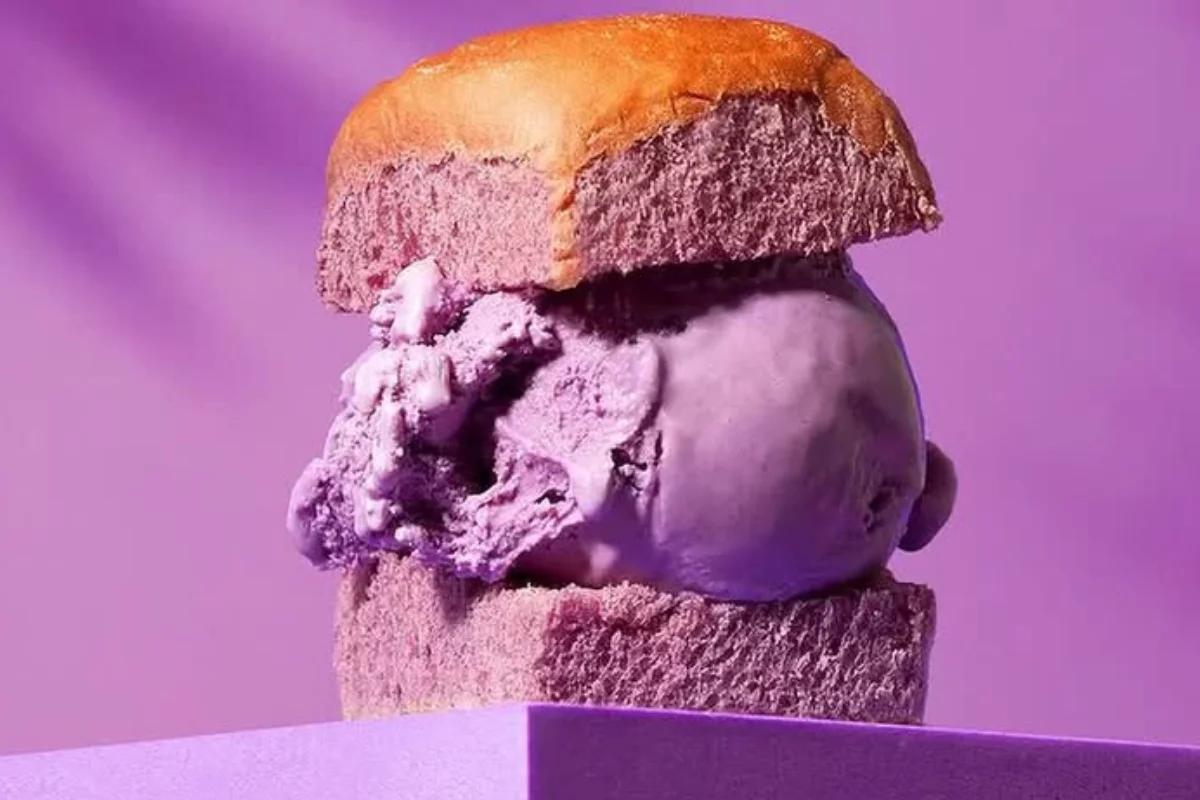
Ube has moved well beyond niche bakeries and Instagram-famous cafes. Today, this striking purple yam from the Philippines is showing up on menus across the United States, from lattes and milkshakes to cheesecakes and soft serve. If you run a restaurant, cafe, or bakery and you are wondering whether ube deserves a spot on your menu, the real question usually comes down to numbers: what kind of profit margin can you actually expect from it?
Before you begin, you can now find all of our UBE products from United States of America by clicking here:

This guide breaks down the true cost of serving ube, why it tends to generate strong margins compared to other trending ingredients, and practical ways to position it on your menu so it drives both revenue and customer excitement.

Why Ube Works So Well for Restaurant Margins
From a purely financial standpoint, ube checks a lot of boxes that restaurant owners look for in a new menu item. It combines a low cost per serving, a high perceived value, and genuine customer demand, three things that rarely show up together in one ingredient.
Because ube powder is so concentrated, a small amount goes a long way in most recipes. That means your actual food cost per plate or per drink stays low, even though the finished product looks and tastes like something worth paying a premium for. This gap between what you spend and what customers are happy to pay is exactly what creates healthy margins.
Breaking Down the Real Cost of Ube Per Serving
Ube Powder Cost
Most ube drinks and desserts only require one to two teaspoons of high quality ube powder per serving. Since a single bag typically yields dozens of servings, the ingredient cost usually lands under fifty cents per serving, making it one of the more budget friendly specialty ingredients a kitchen can stock.
Supporting Ingredients
Milk, cream, sugar, and standard pastry staples round out most ube recipes, and these ingredients cost roughly the same as what you would already be using for comparable menu items. In other words, ube rarely adds meaningful extra expense beyond the powder itself.

Estimated Total Cost Per Serving
When you combine ube powder with typical supporting ingredients, most operators land somewhere between one and two dollars in total cost per serving, depending on the recipe and portion size.
Typical Pricing and Margin Potential
Ube desserts and specialty drinks are commonly priced between five and nine dollars in the US market, depending on region, concept, and portion size. Based on the cost estimates above, that pricing structure often results in gross margins somewhere in the seventy to eighty five percent range, which stacks up favorably against many traditional bakery and beverage items.
Every kitchen is different, so local ingredient prices, labor, and recipe specifics will shift these numbers. Still, running your own cost calculation with actual supplier pricing is worth the ten minutes it takes, because the math tends to work in ube's favor more often than not.
Why Customers Are Willing to Pay More for Ube
It Is Naturally Photogenic
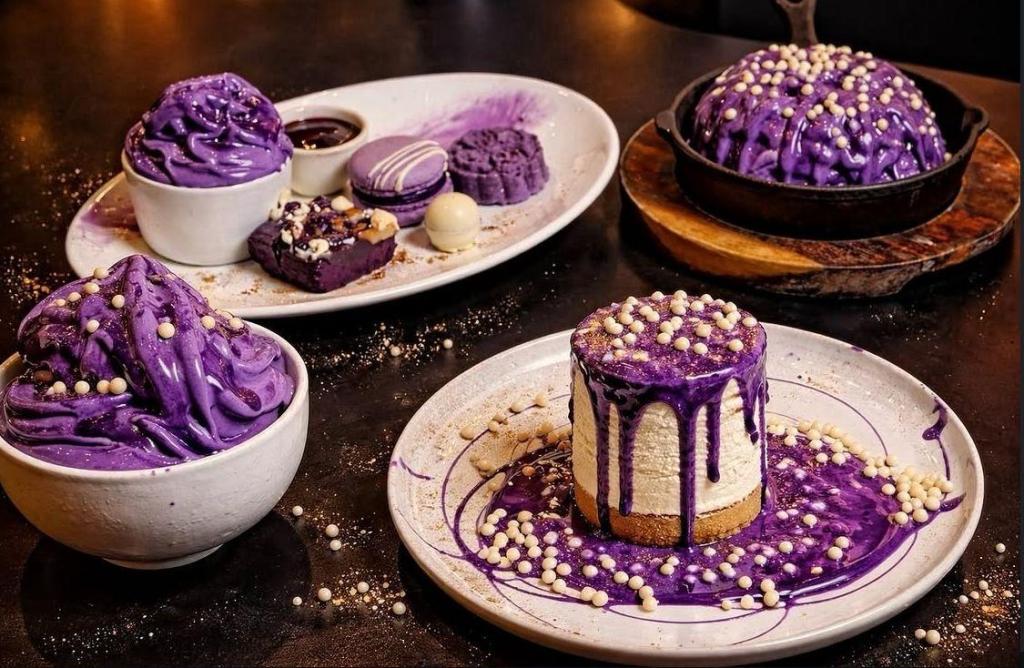
Ube's deep, vivid purple color creates instant visual impact on a plate, in a cup, or on a social feed. Customers are consistently willing to pay a premium for food that feels special, shareable, and worth photographing, and that willingness translates directly into pricing power for your menu.

It Has a Real Story Behind It
Beyond its color, ube brings a genuine, credible ingredient story to the table. It naturally contains anthocyanins, the same antioxidant compounds found in blueberries and other deep purple produce, along with dietary fiber. That gives you an honest way to market ube items as both indulgent and thoughtfully sourced, without stretching the truth.
It Is a Trending, In Demand Flavor
Ube's rise across social media and specialty food culture means customers are frequently searching it out on their own. That kind of organic demand reduces how much you need to discount or promote the item to move it off the menu.
Practical Ways to Protect and Grow Your Margins
Treat ube as a signature or limited time item. Framing an ube dish as a seasonal special or a house exclusive tends to support premium pricing, since customers naturally associate limited availability with higher value.
Pair it with affordable complementary flavors. Coconut, vanilla, and white chocolate all pair naturally with ube and remain relatively inexpensive, letting you build an elevated flavor profile without driving up your cost per serving.
Standardize your recipes. Locking in exact measurements for ube powder and supporting ingredients prevents overuse and waste, which protects your margin and keeps every serving consistent for the customer.
Let customers do your marketing for you. Because ube dishes photograph so well, encouraging guests to share their orders online can meaningfully cut your marketing spend while still building demand and repeat visits.
How Ube Stacks Up Against Other Specialty Ingredients
Compared to ingredients like matcha, saffron, or premium imported chocolate, ube typically offers a more accessible cost structure while still delivering that same premium, specialty feel customers are looking for. That makes it a smart choice for operators who want to introduce a high margin, on trend item without a major jump in ingredient spending.
Quality Is What Protects Your Margin Long Term
Cost per bag matters, but quality is what actually protects your margin over time. A finely milled, high quality ube powder delivers richer color and stronger flavor using smaller quantities, which helps you control usage while still hitting the vibrant, premium result customers expect.
Lower quality powder often requires larger quantities just to reach a similar color or flavor intensity, which quietly eats into your margin serving after serving. Sourcing from a trusted, premium supplier is one of the simplest ways to protect both your food cost and your customer experience at the same time.
Is Ube Worth Adding to Your Menu?
Based on typical ingredient costs, realistic pricing, and consistent customer demand, ube represents a genuinely strong opportunity for restaurants and cafes looking to add a trending, high margin item. The combination of low cost, high perceived value, and a real nutritional story makes it a natural fit for a wide range of dessert and beverage concepts.
As with any new menu item, it is worth running your own cost calculation based on your specific recipe and local supplier pricing. But the overall potential for strong, sustainable margins makes ube a genuinely compelling addition worth testing on your menu.

Ready to elevate your recipes? Explore premium certified organic ube powder options and discover why discerning bakers and chefs across America trust specialized online retailers for their most important ingredients. Your perfect purple creations are waiting to come to life.
👉Order your 100% natural organic ube powder at ube.com
👉 Explore our healthy recipes and join the community of ube enthusiasts!
👉 Subscribe to our newsletter to receive our ube tips and inspiration every week.


