
Ube vs Açaí: What's the Difference?
If you have spent any time browsing smoothie shops, bakeries, or wellness blogs lately, you have probably noticed two ingredients showing up everywhere: ube and açaí. Both are prized for their striking purple hues and their reputation as nutrient rich, plant based superfoods. Yet despite their shared color family, these two ingredients could not be more different in where they come from, how they taste, and how they are best used in the kitchen. In this guide, we break down everything you need to know about ube powder and açaí powder, so you can decide which one belongs in your pantry, or why you might want both.
Before you begin, you can now find all of our UBE products from United States of America by clicking here:

What Is Ube Powder?
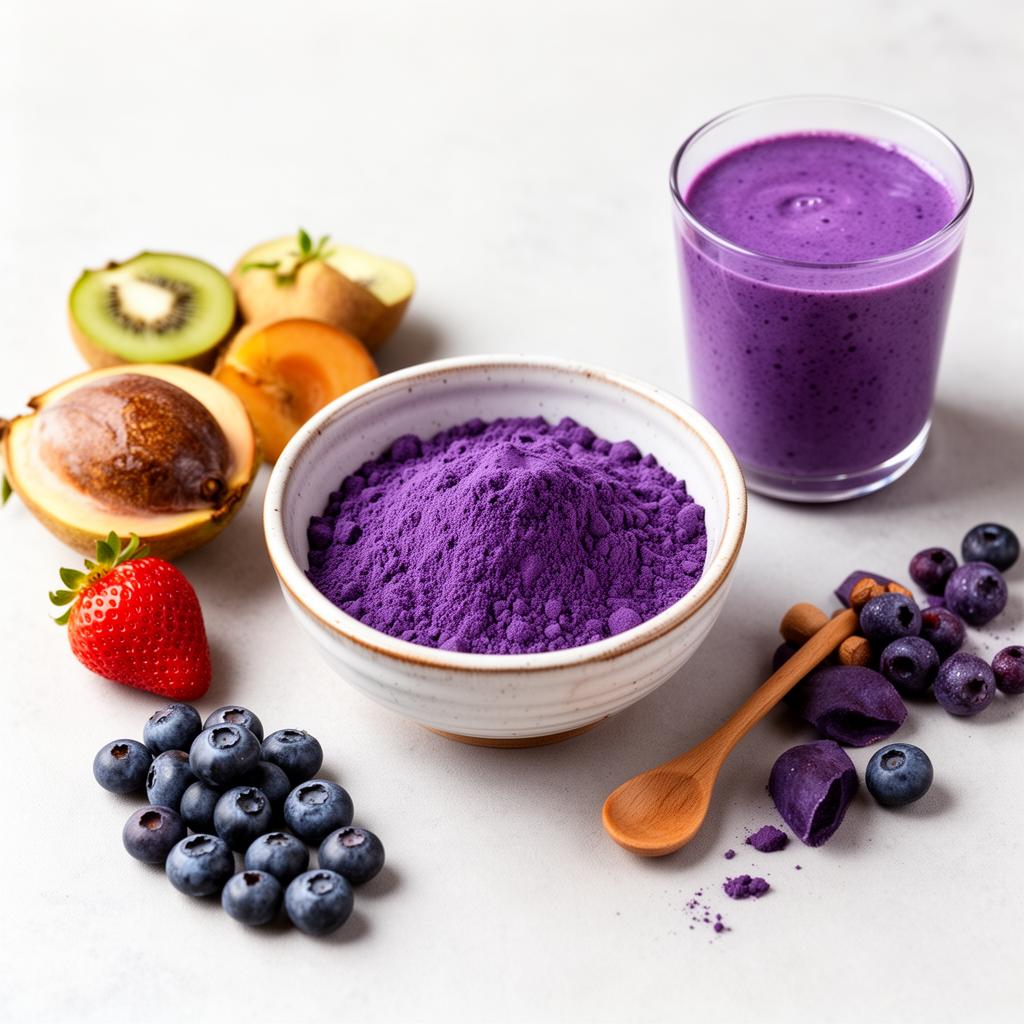
Ube is a bright purple yam that has been grown and cherished in the Philippines for generations. Known for its naturally vivid violet color and its mellow, slightly sweet flavor that many compare to vanilla with a hint of pistachio, ube has long been a staple in Filipino desserts. Once the root is dried and milled into a fine powder, it becomes an incredibly easy ingredient to work with, whether you are baking, blending drinks, or experimenting with savory dishes.

The signature purple color of ube comes from anthocyanins, the same family of natural plant pigments found in blueberries, purple cabbage, and red grapes. These compounds are widely studied for their antioxidant activity, which means ube brings more to the table than just a beautiful color. It offers real nutritional benefits along with a flavor that people genuinely enjoy on its own.
Why Bakers Love Ube
- It produces a deep, even purple shade with zero artificial dyes
- Its flavor is gentle and naturally sweet, working well in both sweet and savory recipes
- It blends smoothly into batters, doughs, and creams without changing the final texture
- It holds up well under heat, making it a reliable choice for baking projects
What Is Açaí Powder?
Açaí is a small, dark berry harvested from palm trees deep in the Amazon rainforest. Local communities have relied on it for its nutritional density for centuries, and in recent decades it has become a global favorite, largely thanks to smoothie bowls, cold pressed juices, and health focused snack bars.
After the berries are freeze dried and ground down, açaí powder holds onto much of its natural pigment and nutrient profile. Like ube, its color largely comes from anthocyanins, but the resulting shade and taste experience are quite different from what you get with ube.
Why People Choose Açaí
- It creates a deep purple, almost blackish tone that is instantly recognizable in smoothie bowls
- Its flavor is tart and earthy, often described as a cross between berries and dark chocolate
- It is considered one of the most nutrient dense superfoods available, packed with antioxidants
- It performs best in cold applications like smoothies, juices, and no bake treats
Ube vs Açaí: The Key Differences
1. Color
Both ingredients live in the purple family, but the shades they create are not the same. Ube tends to produce a brighter, more playful violet or lavender tone, especially when mixed into lighter bases like cream, cake batter, or frosting. Açaí, on the other hand, usually results in a darker, dustier purple that can lean toward black when used in more concentrated amounts.
If your recipe calls for a soft, elegant purple, think ube flavored cake or lavender toned pastries, ube is the better pick. If you are building a smoothie bowl or a health focused dessert where a deep, moody purple is the goal, açaí will likely serve you better.
2. Flavor
This is where the two ingredients diverge the most. Ube has a naturally sweet, nutty flavor with vanilla like undertones, which means it adds both color and taste to whatever you are making. That is part of why it is so popular in desserts: it does double duty as a colorant and a flavor enhancer.
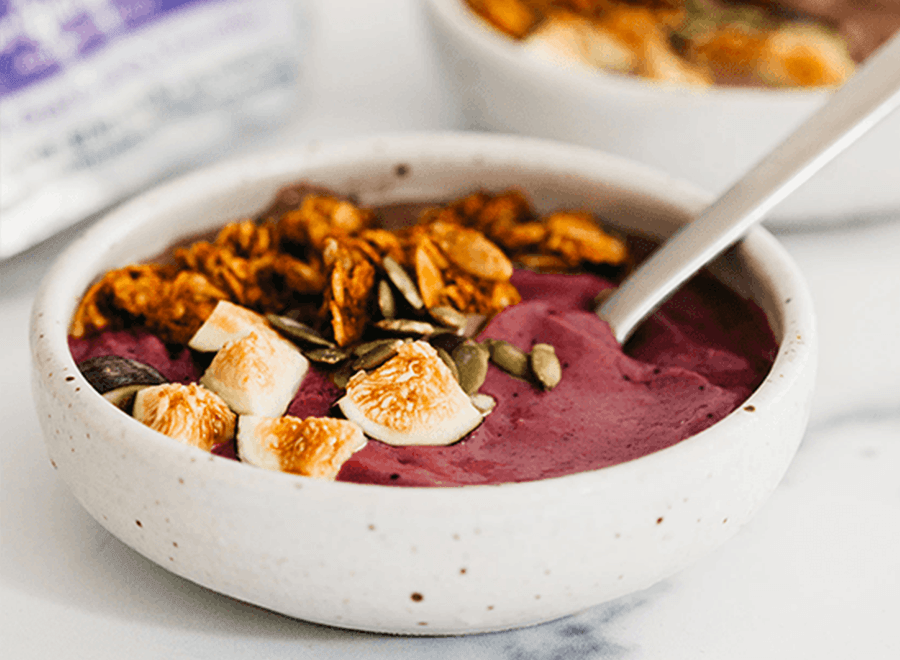
Açaí has a noticeably different profile. It is tart, earthy, and berry forward, sometimes described as a mix of blackberry and dark chocolate with a touch of bitterness. This works beautifully in smoothies and superfood bowls, but it is a very different experience from the mellow sweetness of ube and will not suit every type of recipe.
3. Best Uses in the Kitchen
Thanks to its mild sweetness and stability under heat, ube is remarkably versatile. You will find it in cakes, breads, ice cream, pastries, and even some savory dishes. It holds up whether you bake it, boil it, or use it raw, which is part of why so many bakers keep it on hand.

Açaí, by contrast, is best suited to cold or minimally processed recipes. It shines in smoothie bowls, fresh juices, energy balls, and raw desserts. Because it is typically sold as a frozen pulp or a fine powder, it is not really built for baking the way ube is, but it is perfect for anything that stays cool.
4. Nutrition
Both ingredients bring real nutritional value, though their strengths differ slightly.
Ube is a good source of:
- Antioxidants, particularly anthocyanins
- Complex carbohydrates for steady, lasting energy
- Vitamin C and potassium
Açaí is a good source of:
- Antioxidants, including anthocyanins and polyphenols
- Healthy fats, including monounsaturated fats
- Dietary fiber
Which one fits your goals may come down to what kind of nutritional profile you are looking for, alongside the flavor and color you want to achieve.
5. Format and Shelf Life
Ube powder is typically sold as a fine, shelf stable powder that is simple to measure and store. Açaí is available both as a freeze dried powder and as a frozen pulp, with the powder version offering a similar level of convenience and shelf stability to ube.
Which One Should You Choose?
The right choice really comes down to the recipe you are making and the result you are hoping for.
Reach for ube powder if you want:
- A bright, elegant purple or lavender color
- An ingredient that performs well in baked goods and other heat based recipes
- A naturally sweet, mild flavor
- One versatile ingredient that works across both sweet and savory dishes
Reach for açaí powder if you want:
- A deep, dramatic purple color
- An ingredient built for smoothies, juices, and raw superfood recipes
- A tart, berry forward flavor
- A nutritional profile centered on healthy fats and fiber
Many home cooks and professional bakers end up keeping both in their kitchen, using each one where it naturally excels. Together, ube and açaí open up a wide range of natural purple tones and flavor possibilities, all without a single artificial additive.
Why Choose Natural Ingredients Over Artificial Dyes?
Whichever one you pick, choosing a natural, plant based ingredient comes with real advantages. Both ube and açaí let you skip the artificial colorings and additives that more and more people are trying to avoid in their diets. On top of that, they contribute genuine flavor and nutritional value, something a synthetic dye simply cannot replicate.
Bringing ube or açaí into your recipes is an easy way to embrace a clean label approach to cooking and baking, all while still delivering vibrant, beautiful results that will catch everyone's eye, and taste just as good as they look.
Final Thoughts
Ube and açaí each bring something special to your kitchen. Ube offers a bright, elegant purple with a naturally sweet, mild flavor and excellent performance under heat, making it a fantastic choice for baking and countless other dishes. Açaí delivers a deep, striking purple with a tart, berry forward flavor that is perfectly suited to smoothies and raw superfood recipes.

Rather than thinking of them as competing ingredients, it helps to see ube and açaí as complementary tools that expand what you can do with natural color and flavor in your cooking. Whichever one you choose, you can feel good knowing you are adding real color and real nutrition to your dishes, with no compromise on quality.
Ready to elevate your recipes? Explore premium certified organic ube powder options and discover why discerning bakers and chefs across America trust specialized online retailers for their most important ingredients. Your perfect purple creations are waiting to come to life.
👉Order your 100% natural organic ube powder at ube.com
👉 Explore our healthy recipes and join the community of ube enthusiasts!
👉 Subscribe to our newsletter to receive our ube tips and inspiration every week.


