
Ube vs Beetroot: Which Natural Food Coloring Is Better?
If you love baking or cooking with natural ingredients, you've likely noticed two plant based powders taking over social media feeds and specialty bakeries alike: ube powder and beetroot powder. Both are prized for delivering bold color without synthetic dyes, but they are far from interchangeable. This guide breaks down what sets them apart so you can pick the right one for your next recipe, your nutrition goals, and your creative kitchen projects.

Before you begin, you can now find all of our UBE products from United States of America by clicking here:

What Is Ube Powder?
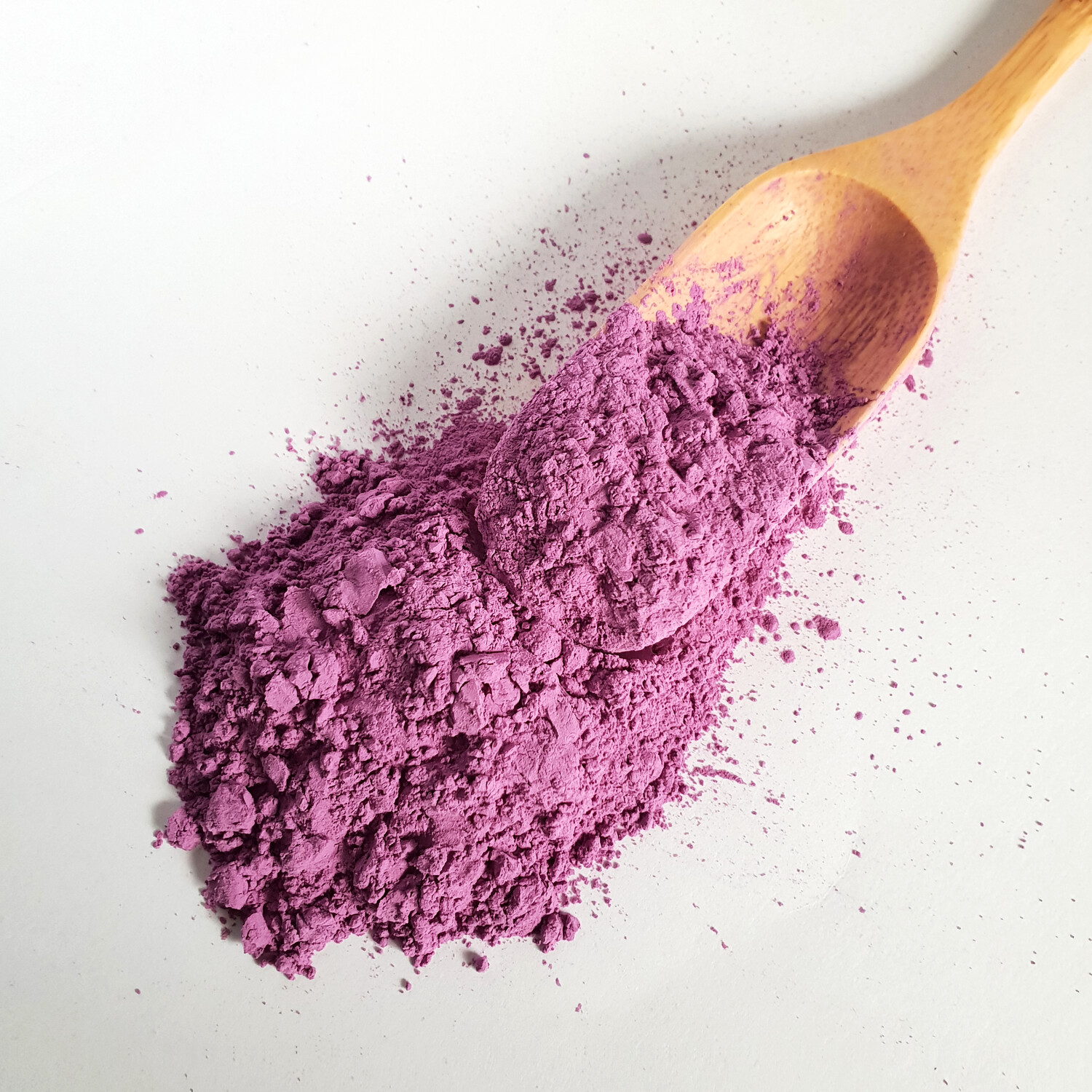
Ube is a bright purple yam that has been grown and enjoyed in the Philippines for generations. It's known for its striking violet hue and a mild, sweet flavor often compared to vanilla with a hint of pistachio. When the root is dried and milled into a fine powder, it becomes a pantry staple that works beautifully in cakes, ice cream, drinks, and even savory dishes.

Its color doesn't come from a lab. Ube gets its purple tone from anthocyanins, the same natural pigments found in blueberries and red cabbage, compounds widely recognized for their antioxidant content. That means every scoop of ube powder adds visual impact and nutritional value at the same time.
Why Home Bakers and Pastry Chefs Choose Ube
- Delivers a rich, even purple shade without artificial additives
- Adds a soft, naturally sweet flavor that pairs well with both sweet and savory recipes
- Mixes easily into batters, doughs, and creams without changing their texture
- Has a long shelf life and stores easily in any pantry
What Is Beetroot Powder?
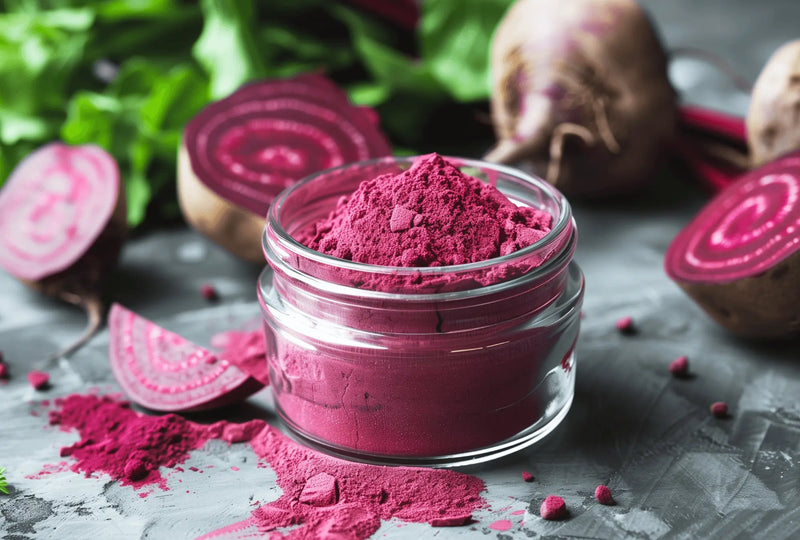
Beetroot powder starts as fresh beets that are dehydrated and ground into a fine reddish powder. It has become a go to substitute for red food coloring, showing up in smoothies, pink flavored cakes, and homemade pasta dough.
Its deep red pigment comes from betalains, a separate group of natural plant compounds also valued for their antioxidant properties. Like ube, beetroot powder lets you skip synthetic dyes while still getting a vivid, eye catching result.
Why Beetroot Powder Is a Kitchen Favorite
- Produces warm red and pink shades, great for recipes that call for those tones
- Has a mild, earthy taste suited to savory dishes and select baked goods
- Considered a nutrient dense superfood by many nutritionists
- Easy to find and generally budget friendly
Ube vs Beetroot: The Main Differences
1. Color Range
This is the clearest distinction between the two. Ube powder produces shades across the purple spectrum, from deep violet to soft lavender, ideal for anything from ube cheesecake to purple macarons or lavender infused drinks. Beetroot powder stays in the red family, ranging from bold red to soft pink, perfect for red velvet cake, pink smoothie bowls, or rosy frosting.
2. Flavor Profile
Flavor pairing matters just as much as color when you're choosing a natural food coloring.
Ube brings a gentle, slightly sweet flavor with vanilla like notes that enhances desserts rather than competing with them. That's part of why it has become so popular in cakes, ice cream, and pastries. It contributes color and taste in a single ingredient.
Beetroot powder has a more vegetal, earthy taste. It shines in savory dishes or lightly sweetened treats, but it can overpower delicate dessert flavors if it isn't balanced carefully.

3. Recipe Versatility
Ube tends to work across a wider range of recipes thanks to its mild, adaptable flavor. You'll find it just as at home in a batch of cookies as in a savory rice dish.
Beetroot powder performs best in savory recipes, smoothies, and dishes where its natural earthiness is an asset rather than something to mask.
4. Nutritional Benefits
| Nutrient Highlights | Ube Powder | Beetroot Powder |
|---|---|---|
| Antioxidants | Anthocyanins | Betalains |
| Key nutrients | Vitamin C, potassium, complex carbohydrates | Folate, manganese, dietary nitrates |
| Common wellness benefit | Sustained energy | Supports healthy blood flow |
Your choice may ultimately depend on which nutritional profile matters more to you, alongside the color you're after.
Which One Should You Choose?
Reach for ube powder if you want:
- A purple, violet, or lavender color
- A subtly sweet flavor for desserts, pastries, or drinks
- A smooth texture that blends easily into any recipe
- An ingredient that performs consistently in both sweet and savory cooking
Reach for beetroot powder if you want:
- A red or pink color
- An earthy note that complements savory dishes
- A naturally nitrate rich ingredient
Plenty of bakers and home cooks keep both on hand, using each where it shines brightest. Together, ube and beetroot cover nearly the full spectrum from warm reds to cool purples, using only plant based ingredients.
Why Choose Natural Food Coloring Over Artificial Dyes?
Whether you lean toward ube, beetroot, or both, choosing natural coloring comes with real benefits. These powders help you avoid the synthetic dyes many shoppers are actively trying to cut from their diets, while adding subtle flavor and nutritional value that artificial food coloring simply can't match.
Choosing ube or beetroot powder is an easy way to support clean label baking and cooking, without giving up the vibrant, eye catching results you're after.
Final Thoughts
Ube and beetroot powder each bring something distinct to your kitchen. Ube delivers a stunning purple palette with a naturally sweet flavor suited to both desserts and savory cooking. Beetroot offers rich red and pink tones with an earthy character that pairs beautifully with savory dishes and smoothies.

Rather than choosing one over the other, think of them as complementary tools that expand what you can create with natural ingredients alone. Either way, you'll be adding color to your dishes the wholesome way, with no compromise on flavor, quality, or peace of mind.
Ready to elevate your recipes? Explore premium certified organic ube powder options and discover why discerning bakers and chefs across America trust specialized online retailers for their most important ingredients. Your perfect purple creations are waiting to come to life.
👉Order your 100% natural organic ube powder at ube.com
👉 Explore our healthy recipes and join the community of ube enthusiasts!
👉 Subscribe to our newsletter to receive our ube tips and inspiration every week.


