
Ube vs Blue Spirulina: Which Superfood Should You Choose?
If you have spent any time browsing food trends lately, chances are you have come across two show stopping natural colorants: ube and blue spirulina. Both have taken over social media feeds, bakery counters, and smoothie menus across the country, and both promise the same thing: vibrant, Instagram worthy color without a single drop of artificial dye. Yet these two ingredients could not be more different in how they behave, taste, and perform in the kitchen. If you are trying to decide which one belongs in your pantry, this guide breaks down everything you need to know.

Before you begin, you can now find all of our UBE products from United States of America by clicking here:

Getting to Know Ube
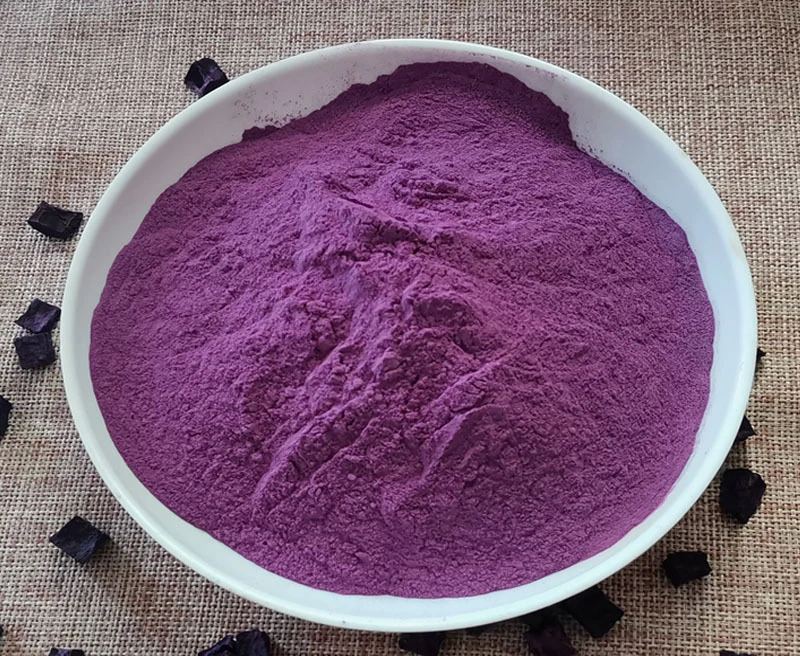
Ube is a purple yam that has been a staple in Filipino cuisine for centuries, prized for its deep violet color and its soft, sweet flavor that many compare to vanilla with a hint of pistachio. Once the root is dried and ground into a fine powder, it transforms into an incredibly convenient ingredient that home cooks and professional bakers can add straight into batters, doughs, frostings, and drinks.

That signature purple hue comes from anthocyanins, the same family of antioxidant rich pigments found in blueberries, purple cabbage, and red grapes. So when you reach for ube, you are not just adding color to your recipe. You are also introducing a naturally sweet ingredient with real nutritional value.
What Makes Ube a Favorite Among Bakers
- It produces a rich, even purple shade without relying on synthetic dyes
- Its mild, dessert like flavor complements both sweet and savory dishes
- It dissolves easily into batters and creams without altering texture
- It stores well on the shelf and measures easily into existing recipes
Getting to Know Blue Spirulina
Blue spirulina comes from phycocyanin, a specific pigment isolated from spirulina algae. Traditional green spirulina has a strong, distinctly "seaweed" taste that many people find hard to enjoy, but the blue variety goes through an extraction process that removes most of that flavor while keeping the intense, almost neon blue color intact.
This ingredient has exploded in popularity for smoothie bowls, plant based lattes, buttercream frostings, and any recipe where a bold blue or turquoise shade is the goal. A little goes a long way, since the pigment is extremely concentrated.
Why People Reach for Blue Spirulina
- It delivers a striking, true blue color that is nearly impossible to replicate with other natural ingredients
- Its flavor is far milder than standard spirulina
- It is often positioned as a nutrient dense superfood loaded with protein and antioxidants
- It shines in cold applications like smoothies, iced drinks, and no bake treats

Ube vs Blue Spirulina: The Main Differences
1. Color Output
The most noticeable difference is the shade each ingredient produces. Ube leans into soft lavender, violet, and deep plum tones, perfect for recipes where a warm, elegant purple is the goal. Blue spirulina, meanwhile, delivers an electric blue or turquoise that pops dramatically against light backgrounds like whipped cream, yogurt, or a plain batter.
If your project calls for something like purple mochi, lavender frosted cupcakes, or a violet toned ice cream, ube is your ingredient. If you are dreaming up an ocean themed cake, a bright blue smoothie bowl, or a statement making latte, blue spirulina is the better fit.
2. Flavor
Taste matters just as much as color when picking a natural food coloring. Ube contributes a genuinely pleasant, subtly sweet flavor with notes of vanilla and roasted nuts, which is part of why it has become such a hit in cakes, custards, and frozen desserts. It does not just color a dish, it enhances it.
Blue spirulina has a much more neutral taste than its green counterpart, though a faint earthy or ocean like note can still come through, especially at higher concentrations. In most recipes this is easy to mask with other flavors, but it is worth keeping in mind for delicate, lightly flavored dishes.

3. Heat Stability
This is where the two ingredients really part ways. Ube holds up beautifully under heat, which means it keeps its color through baking, boiling, and other high temperature cooking methods. That is exactly why it performs so well in cakes, breads, and other oven baked treats.
Blue spirulina is much more sensitive to heat. Once it hits high temperatures or acidic ingredients, the vivid blue can fade, shift toward green, or lose intensity altogether. Because of this, it is best reserved for cold or no bake applications such as smoothies, raw desserts, chilled drinks, and unbaked frostings.
4. Versatility
Because it handles heat so well and has a flavor that works in nearly any dish, ube tends to be the more versatile of the two, showing up in everything from hot baked goods to cold ice creams and even savory dishes.
Blue spirulina is a bit more specialized. It excels in cold, raw, or lightly processed recipes, but its usefulness drops off once baking or acidity enters the picture.
5. Nutritional Value
Both ingredients bring something worthwhile to the table nutritionally, just in different ways.
Ube offers:
- Antioxidants in the form of anthocyanins
- Complex carbohydrates for sustained energy
- Vitamin C and potassium
Blue spirulina offers:
- Phycocyanin, an antioxidant compound unique to spirulina
- A solid dose of plant based protein
- Trace vitamins and minerals
Your final decision might come down to which nutritional profile fits your goals best, in addition to the color and flavor you are after.
So Which One Should You Pick?
The right choice really depends on what you are making and the effect you want to achieve.
Reach for ube if:
- You want a purple, violet, or lavender finish
- Your recipe involves baking or any heat exposure
- You want a naturally sweet flavor that adds to the dish
- You need an ingredient flexible enough for both sweet and savory applications
Reach for blue spirulina if:
- You want a bold, true blue or turquoise finish
- You are making something cold or no bake, like a smoothie or raw dessert
- You prefer a milder, more neutral taste
- You want maximum visual impact in a drink or chilled dessert
Plenty of bakers and home cooks keep both on hand, pulling out whichever one suits the project. Together, ube and blue spirulina open up a full spectrum of natural color, from cozy purples to cool, striking blues, all without touching a synthetic dye.
Why Natural Coloring Beats Artificial Dyes
Whether you land on ube, blue spirulina, or both, choosing a plant based coloring agent comes with real advantages. You skip the synthetic dyes that more and more shoppers are actively trying to avoid, and you gain a bit of extra flavor and nutrition in the process, something artificial food coloring simply cannot offer.
Bringing ube or blue spirulina into your kitchen means embracing a cleaner, more transparent way of cooking and baking, all while still delivering the kind of eye catching results that turn heads.
At the end of the day, ube and blue spirulina each bring their own strengths to your kitchen. Ube delivers a warm, sophisticated purple palette, a naturally sweet flavor, and dependable heat resistance, making it a natural pick for baked goods and beyond. Blue spirulina brings a bold, unmistakable blue with a gentle flavor, ideal for cold and no bake creations.

Instead of thinking of them as competing products, treat them as two complementary tools that expand what you can create in the kitchen. Either way, you get to add stunning color to your food the clean, wholesome way, without sacrificing taste, quality, or peace of mind.
Ready to elevate your recipes? Explore premium certified organic ube powder options and discover why discerning bakers and chefs across America trust specialized online retailers for their most important ingredients. Your perfect purple creations are waiting to come to life.
👉Order your 100% natural organic ube powder at ube.com
👉 Explore our healthy recipes and join the community of ube enthusiasts!
👉 Subscribe to our newsletter to receive our ube tips and inspiration every week.


