
Ube vs Blueberries: Which Is More Nutritious?
Purple foods have taken over grocery shelves, smoothie bowls, and dessert menus everywhere, and two ingredients sit at the center of that trend: ube and blueberries. Both are famous for their striking violet color, both are praised for being packed with antioxidants, and both have earned a spot on the "superfood" shortlist. But if you had to choose only one to add to your kitchen, which would actually give you more nutritional bang for your buck? Let's break down how ube and blueberries stack up against each other, so you can decide how to use each one in your meals and recipes.
Before you begin, you can now find all of our UBE products from United States of America by clicking here:

What Exactly Is Ube?
Ube is a purple yam that originated in the Philippines. It has a naturally sweet, slightly nutty flavor that many people compare to vanilla, and it has become a favorite in desserts around the world, from cakes and cookies to milkshakes and ice cream. In its dried and powdered form, ube is incredibly easy to work with, since a spoonful can transform almost any recipe into a vibrant purple treat while adding real nutritional value at the same time.

That deep violet shade doesn't come from food coloring. It comes from anthocyanins, plant pigments that also function as antioxidants in the body. As a root vegetable, ube also delivers a solid dose of carbohydrates, fiber, and several important micronutrients.
Key nutritional highlights of ube:
- Contains anthocyanins, which may help protect cells from oxidative stress
- Supplies complex carbohydrates for long lasting, steady energy
- Provides dietary fiber that supports healthy digestion
- Offers vitamin C and potassium, both essential for everyday health
What Exactly Are Blueberries?
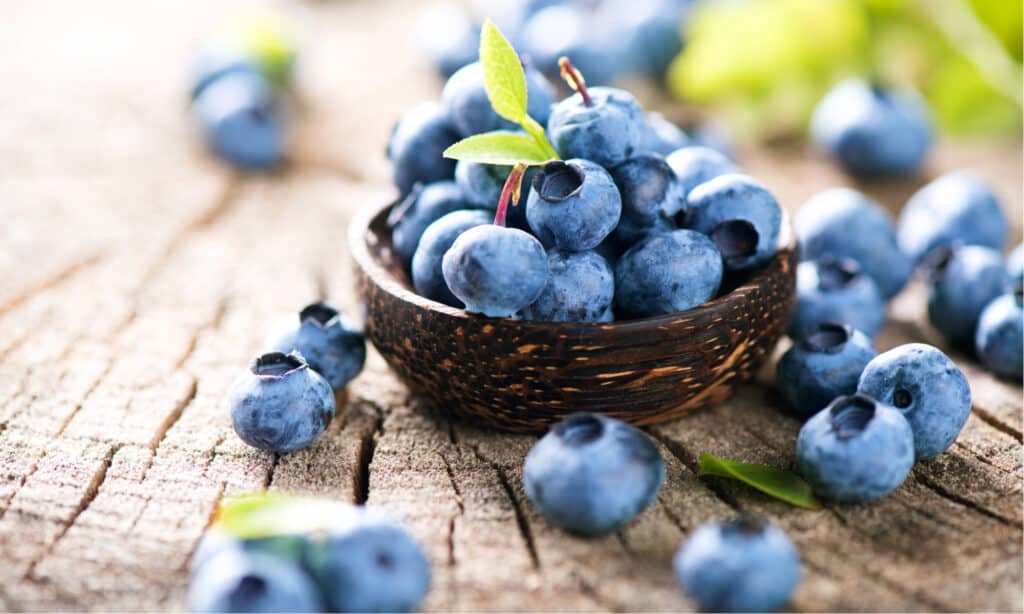
Blueberries are small, round berries that consistently rank among the most nutrient dense fruits you can buy. Their reputation as a superfood comes largely from their impressive antioxidant profile, paired with a naturally sweet and slightly tangy flavor that works well in smoothies, oatmeal, baked goods, and simple snacking.
Like ube, blueberries get their deep blue purple hue from anthocyanins. In fact, nutrition researchers frequently highlight blueberries as one of the richest natural sources of these specific compounds.
Key nutritional highlights of blueberries:
- Extremely high in anthocyanins compared to most other fruits
- A strong source of vitamin C, which supports immune function
- Contains dietary fiber that aids digestive health
- Naturally low in calories relative to how nutrient dense they are
Ube vs Blueberries: A Side by Side Nutritional Comparison
1. Antioxidant Levels
Both ube and blueberries owe their color to anthocyanins, but blueberries generally pack a higher concentration of these antioxidants for their size. That concentration is part of why blueberries have become such a celebrated superfood in nutrition circles.
Ube still contains meaningful amounts of anthocyanins, but because it is a starchy root vegetable rather than a berry, its overall nutrient composition looks quite different. In short, both ingredients bring valuable antioxidant benefits to the table, though blueberries tend to be the more concentrated source.
2. Carbohydrates and Energy
This is where ube really shines. As a yam, ube naturally contains a high amount of complex carbohydrates, which makes it an excellent choice for sustained, long lasting energy. This is one reason ube has traditionally been valued as a filling, nourishing staple in Filipino cooking.
Blueberries, on the other hand, contain natural sugars but a much lower overall carbohydrate density. They provide a lighter, quicker energy boost, which makes them better suited to snacking or as a topping rather than serving as a primary energy source.
3. Fiber Content
Both ingredients contribute fiber to your diet, helping support digestion and keeping you feeling fuller for longer. Ube's fiber comes from its nature as a root vegetable, while blueberries deliver fiber through their skin and flesh.

Exact fiber amounts will vary depending on portion size and preparation method, but both ube and blueberries can be considered solid contributors to your daily fiber goals.
4. Vitamins and Minerals
Ube offers a well rounded micronutrient profile, including vitamin C and potassium, both of which play a role in immune health, muscle function, and nerve activity.
Blueberries are especially well known for their vitamin C content, along with smaller amounts of vitamin K and manganese. Their nutrient profile has been studied extensively, which only adds to their reputation as a top tier superfood.
5. Calorie Density
Blueberries are relatively low in calories for their volume, which makes them a favorite among people who want to boost nutrient intake without adding a lot of extra calories.
Ube, being a starchy root vegetable, is naturally more calorie dense because of its higher carbohydrate content. That doesn't make it any less nutritious. It simply means ube works better as a more substantial addition to meals, while blueberries shine as a lighter, nutrient packed snack.
:strip_icc()/bhg-how-to-make-ube-BkZY1HJgqWXBPORUdWAF4E-53e29b8fa9cc4e77992de7a6120da958.jpg)
So Which One Wins?
The honest answer is that there isn't a single winner, because ube and blueberries offer different kinds of nutritional value. Blueberries tend to have a higher concentration of anthocyanin antioxidants relative to their size, plus a lower calorie count, which makes them ideal as a light and nutrient rich snack. Ube, meanwhile, delivers a more substantial nutritional profile thanks to its complex carbohydrates, along with its own valuable antioxidant and mineral content.
Instead of asking which food is objectively "better," it may be more useful to think about the role each one plays in your diet. Craving something light and antioxidant packed? Reach for blueberries. Need something more filling that still delivers real nutritional benefits? Ube is a fantastic option.
Why Choose When You Can Have Both?
Since ube and blueberries each bring their own nutritional strengths to the table, there's a strong case for enjoying both rather than picking a favorite. Plenty of recipes, like an ube and blueberry smoothie or a layered purple dessert, let you combine the flavors and benefits of each ingredient in a single dish.
Pairing ube with blueberries gives you a naturally vibrant, antioxidant rich creation while also broadening the range of nutrients you're taking in, from sustained energy to concentrated antioxidant support.
Final Thoughts
Ube and blueberries are both remarkable natural ingredients, each bringing something valuable to your plate. Ube offers sustained energy through complex carbohydrates, along with meaningful antioxidants and essential micronutrients. Blueberries provide a lighter, highly concentrated source of antioxidants, along with important vitamins and fiber.

Rather than treating them as rivals, think of ube and blueberries as complementary ingredients that belong in a varied, nutrient conscious diet. Whether you choose one or blend them together, you'll be adding genuine nutritional value and a beautiful pop of natural color to whatever you're making.
Ready to elevate your recipes? Explore premium certified organic ube powder options and discover why discerning bakers and chefs across America trust specialized online retailers for their most important ingredients. Your perfect purple creations are waiting to come to life.
👉Order your 100% natural organic ube powder at ube.com
👉 Explore our healthy recipes and join the community of ube enthusiasts!
👉 Subscribe to our newsletter to receive our ube tips and inspiration every week.


