
Ube vs Cocoa: Which Has More Antioxidants?
Antioxidants are everywhere in today's wellness conversations, and it is easy to see why. These naturally occurring compounds work to protect your cells from oxidative stress, and more and more home cooks and health minded shoppers are looking for ways to add antioxidant rich ingredients to their everyday meals. Two ingredients that come up again and again in this discussion are ube and cocoa. Both stand out for their bold flavor and striking color, and both have earned a reputation for offering real nutritional value. In this guide, we will break down how ube and cocoa stack up against each other in terms of antioxidant content, so you can make a smart, informed choice for your kitchen and your health goals.
Before you begin, you can now find all of our UBE products from United States of America by clicking here:

What Is Ube?
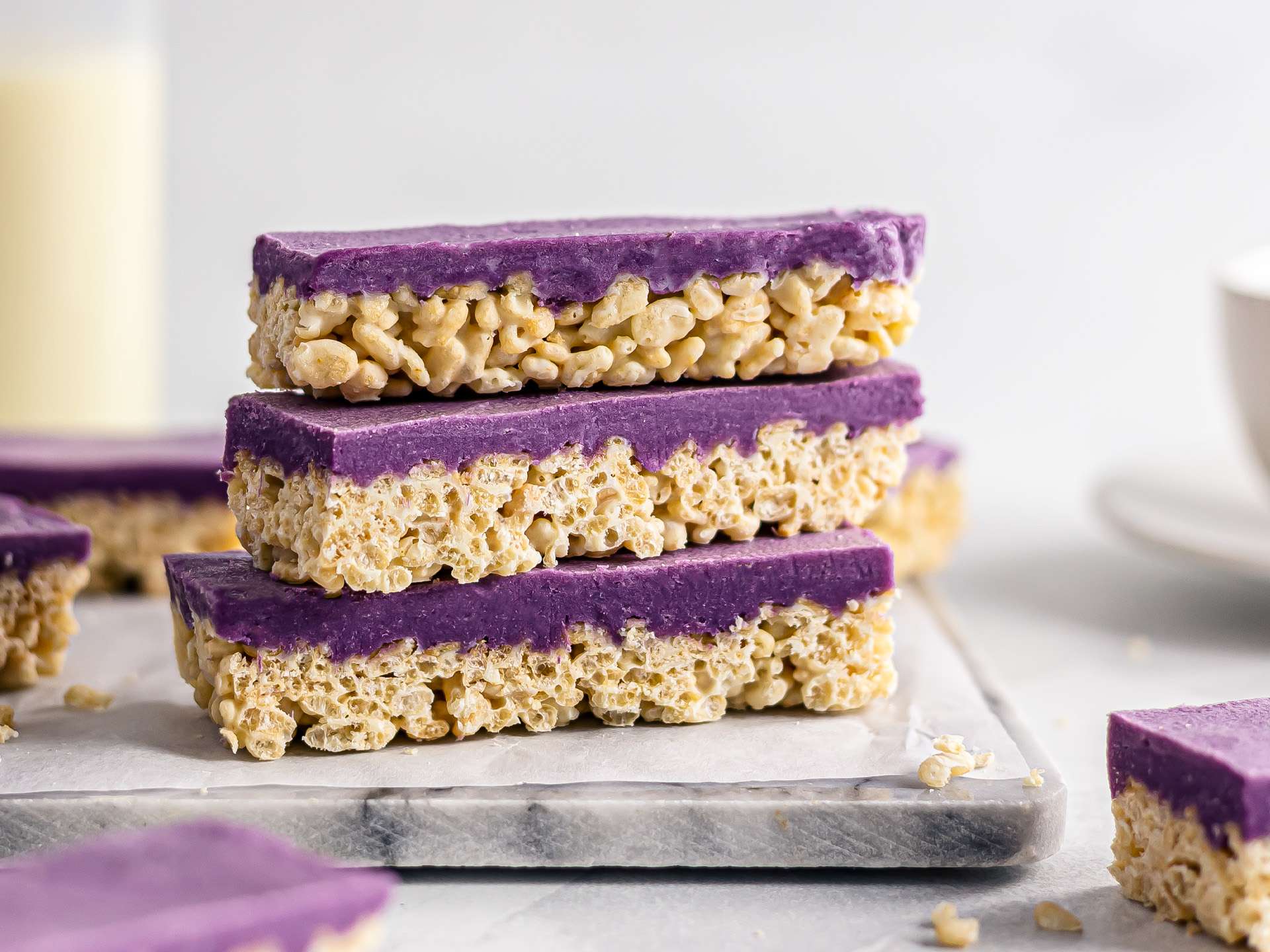
Ube is a bright purple yam that originated in the Philippines. It is prized for its naturally vivid violet hue and its soft, slightly sweet flavor that many describe as similar to vanilla. Once the root is dried and milled into a fine powder, ube turns into an incredibly versatile pantry staple that can be used in cakes, ice cream, drinks, pastries, and even savory dishes.

Check out our Ube Starter Kit for everything you need to begin baking with this vibrant purple ingredient.
That deep purple shade in ube comes from a group of natural plant pigments called anthocyanins. These same compounds show up in other well known antioxidant rich foods, including blueberries, purple cabbage, and blackberries. Anthocyanins are among the most heavily researched antioxidants around, and they are a big part of why ube has become known as such a nutrient dense ingredient.
Why Ube Stands Out for Its Antioxidant Content
- It is packed with anthocyanins, compounds believed to help neutralize free radicals in the body
- Its deep purple color is a visual cue for antioxidant density, since more intense pigmentation generally points to a higher antioxidant concentration
- It delivers antioxidant benefits alongside a naturally sweet taste, so it is simple to work into your routine
- It holds up well under heat, meaning it keeps much of its nutritional value even after baking
What Is Cocoa?
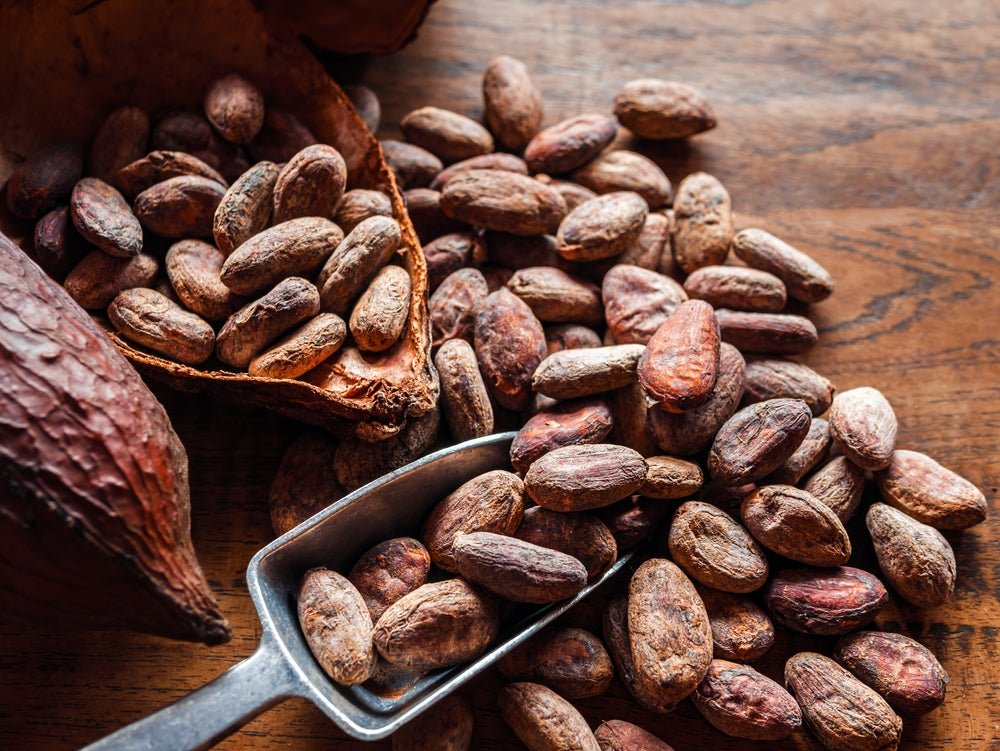
Cocoa comes from the beans of the cacao tree and has been treasured for centuries, both for its deep, complex flavor and for its nutritional profile. Raw or lightly processed cocoa powder is especially popular among health conscious cooks because of how much of its antioxidant content it retains.
Cocoa is rich in a family of antioxidant compounds called flavonoids, and more specifically a subgroup known as flavanols. These compounds have been studied extensively for their possible connection to heart health and overall wellness.
Why Cocoa Stands Out for Its Antioxidant Content
- It is loaded with flavanols, one of the most thoroughly studied categories of antioxidants
- Lightly processed cocoa keeps a much higher level of these beneficial compounds compared to heavily processed chocolate products
- It brings a deep, satisfying flavor that works beautifully in desserts, smoothies, and hot drinks
- It has decades of nutritional research backing its reputation as a genuine antioxidant powerhouse
Ube vs Cocoa: How Their Antioxidants Compare
1. Different Types of Antioxidants
Ube and cocoa are both celebrated for their antioxidant properties, but the compounds behind that reputation are not the same, and each has its own body of research and potential health angle.
Ube's antioxidant strength comes primarily from anthocyanins, the same pigment family responsible for the vibrant colors found in many purple and blue fruits and vegetables. Researchers have looked at anthocyanins for their possible role in supporting healthy cells and lowering oxidative stress in the body.
Cocoa's antioxidant power, on the other hand, is centered on flavanols, a subgroup of flavonoids that has received a great deal of scientific attention, particularly around heart health and healthy blood flow. In fact, cocoa is frequently pointed to as one of nature's best sources of dietary flavanols.

2. How Processing Affects Antioxidant Levels
One thing worth keeping in mind when weighing ube against cocoa is how each ingredient is processed before it reaches your kitchen, since this can make a noticeable difference in antioxidant levels.
When ube powder is dried and processed carefully, it tends to hold onto a large share of its original anthocyanin content. Because ube generally goes through less processing compared to many cocoa products on the market, it often preserves more of its natural antioxidant compounds.
Want to see how far a little ube powder can go? Check out our Ube Electric Mixer, a favorite tool among home bakers.
Cocoa is a little more unpredictable in this department. Raw or minimally processed cocoa powder holds a high level of flavanols, but a lot of the cocoa and chocolate products sold in stores go through processing methods like alkalizing or Dutch processing, which can strip away a significant portion of those flavanols. That means not every cocoa product on the shelf offers the same antioxidant punch, and how it was processed really does matter.
3. Flavor and How Each Ingredient Is Used
Beyond antioxidants, ube and cocoa bring very different tastes to the table, and that difference can shape how often you actually reach for each one in your cooking.
Ube has a mild, naturally sweet flavor with hints of vanilla, which makes it easy to fold into all kinds of recipes, from cakes and ice cream to drinks and even savory dishes, without needing to add much extra sugar.
Cocoa leans rich and slightly bitter, especially in its less processed forms. It is delicious in countless recipes, but it usually calls for a bit of added sweetness or complementary ingredients to balance that natural bitterness.

4. Comparing Their Broader Nutritional Value
Antioxidants are just one piece of the puzzle, so it is worth looking at what else each ingredient brings to your plate.
Ube also offers:
- Complex carbohydrates for lasting energy
- Vitamin C
- Potassium
Cocoa also offers:
- Iron
- Magnesium
- Fiber
Both ingredients bring something valuable to your diet, so the right pick for you may come down to which extra nutrients matter most for your personal goals.
So, Which One Has More Antioxidants?
Honestly, it depends on which type of antioxidant you care about most, along with the quality and processing of the specific product you buy. Cocoa, especially in its raw or lightly processed form, is widely considered one of the richest natural sources of flavanols, an antioxidant category that has been studied extensively for its ties to heart health.
Ube, meanwhile, is an outstanding source of anthocyanins, a different but equally valuable class of antioxidants linked to cellular protection and overall wellness.
Instead of trying to declare a single winner, it may be more useful to think about which type of antioxidant compound you want more of in your diet, along with which flavor and cooking style fits your needs best.
Why Choose Just One?
Since ube and cocoa deliver different types of antioxidants, along with their own distinct flavors and culinary uses, there is a strong argument for using both in your kitchen instead of picking a side. Plenty of recipes, like a marbled ube and chocolate cake or a layered dessert, let you enjoy the best of both worlds in a single bite.
Pairing ube and cocoa together does more than create a stunning contrast of purple and brown. It also broadens the range of antioxidant compounds in your diet, giving you both anthocyanins and flavanols in one delicious combination.
Final Thoughts
Ube and cocoa are both exceptional natural ingredients, each bringing its own unique antioxidant profile along with distinct flavor and color. Ube offers a naturally sweet, mild taste paired with anthocyanin rich purple pigments, while cocoa delivers a deep, rich flavor backed by well researched flavanol compounds.
Looking to add more color and antioxidants to your kitchen? Shop our premium ube powder and discover how simple it is to create naturally vibrant, nutrient packed dishes that your family and friends will love.

Rather than treating these two ingredients as rivals, think of them as perfect partners in a varied, antioxidant conscious diet. Whichever one you reach for first, or however you choose to combine them, you can feel good knowing you are adding real nutritional value, gorgeous color, and incredible flavor to everything you make.
Ready to elevate your recipes? Explore premium certified organic ube powder options and discover why discerning bakers and chefs across America trust specialized online retailers for their most important ingredients. Your perfect purple creations are waiting to come to life.
👉Order your 100% natural organic ube powder at ube.com
👉 Explore our healthy recipes and join the community of ube enthusiasts!
👉 Subscribe to our newsletter to receive our ube tips and inspiration every week.


