
Ube vs Mixed Berries: Which Flavor Is Better?
Choosing the right flavor for your next dessert, drink, or baking project isn't always easy. Two ingredients keep showing up on menus, social media feeds, and recipe blogs across the country: ube and mixed berries. Both are loved for their bold natural color and their ability to transform an ordinary treat into something memorable, but they bring very different things to the table. In this guide, we'll break down how ube and mixed berries compare when it comes to taste, texture, sweetness, and everyday use in the kitchen, so you can decide which one deserves a spot in your next recipe (or why you might want both).

Before you begin, you can now find all of our UBE products from United States of America by clicking here:

What Exactly Is Ube?
Ube (pronounced "oo-beh") is a purple yam that originated in the Philippines and has been a staple of Filipino cooking for generations. What sets it apart isn't just its striking violet hue, it's the flavor underneath: soft, mildly sweet, and reminiscent of vanilla with a hint of pistachio or roasted nuttiness. Traditionally simmered down into ube halaya (a thick, jammy spread), ube has since made its way into cakes, doughnuts, milkshakes, macarons, and even lattes served at coffee shops from Los Angeles to New York.

Because ube has such a gentle, rounded flavor, it works less like a "fruit" and more like a specialty flavoring, similar to how you might think of matcha or pistachio. It doesn't fight for attention. Instead, it blends into whatever you're making and lends a smooth, almost custard like quality to the final product.
What Makes Ube Stand Out
- A naturally mellow sweetness that means you can often cut back on added sugar
- A flavor that plays beautifully with coconut milk, condensed milk, cream cheese, and vanilla
- A taste that stays consistent whether it's baked, frozen, or blended into a drink
- A deep, uniform purple color that holds up well through the cooking process
What Are Mixed Berries?
"Mixed berries" is a catch all term for a combination of small fruits like strawberries, blueberries, raspberries, and blackberries. Unlike ube, which offers one consistent flavor profile, mixed berries give you a whole spectrum of tastes in a single scoop, from the syrupy sweetness of ripe strawberries to the sharp tang of raspberries and the slightly earthy depth of blackberries. This is exactly why bakers reach for them so often: one handful can add complexity that a single fruit simply can't match on its own.
Berries have been part of baking and dessert making for centuries, long before the ube trend took off in Western markets, and their popularity isn't slowing down. They show up in muffins, pies, smoothies, yogurt bowls, jams, and as a simple fresh topping on just about anything.
What Makes Mixed Berries Stand Out
- A bright, juicy flavor that instantly freshens up a recipe
- A natural push and pull between sweet and tart, depending on which berries you use
- An easy pairing with chocolate, citrus, cream, and warm spices
- Natural moisture and texture that can improve the mouthfeel of baked goods
Ube vs Mixed Berries: A Side by Side Flavor Comparison
1. Overall Taste Profile
This is where the two ingredients diverge the most. Ube leans creamy, soft, and comforting, almost like a dessert flavor on its own before you've added anything else. It's the kind of taste that feels indulgent without being overpowering.
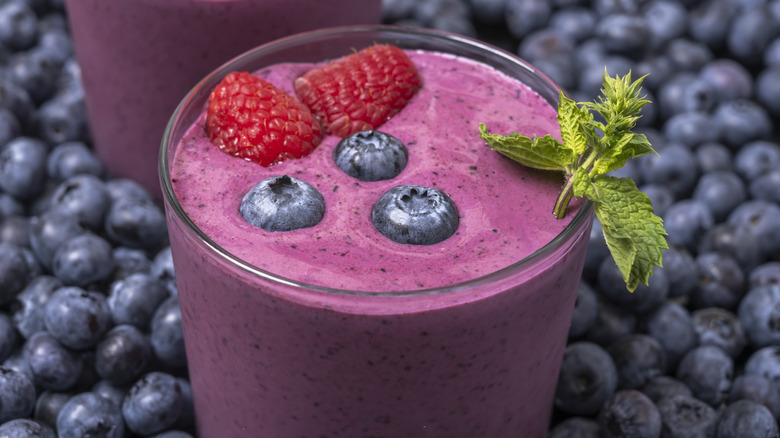
Mixed berries lean fresh and lively. Instead of one smooth note, you get layers: sweetness up front, tartness on the finish, and a juicy brightness that wakes up your palate. If you're building a rich, creamy dessert like a cheesecake, custard, or layer cake, ube's smoothness is usually the better foundation. If you want something that feels light, fresh, and a little tangy, like a fruit tart or a summer smoothie, mixed berries are hard to beat.
2. Sweetness and Balance
Ube brings a gentle, built in sweetness that blends easily into a recipe without needing much extra sugar. It rarely clashes with other ingredients, which is part of why it pairs so well with dairy based desserts.
Berries, on the other hand, vary a lot depending on which ones you use. Strawberries and blueberries tend toward sweet, while raspberries and blackberries bring more tartness. This actually works in your favor: you can fine tune the flavor of a recipe just by adjusting the berry mix, something that's simply not possible with a single ingredient like ube.

3. Color and Visual Appeal
Both ingredients are prized for how they look, not just how they taste, and that's a big part of their popularity on social media and in bakery display cases.
Ube delivers a rich, consistent violet color from start to finish, which is why it's so often used in recipes where a uniform purple shade is the whole point (think ube crinkle cookies or ube ice cream). Mixed berries, by contrast, offer a wider palette: deep reds, purples, blues, and near blacks, depending on the blend. That variety gives you more creative freedom if you're trying to match a specific color scheme or simply want a naturally vibrant topping.
4. Versatility in the Kitchen
Ube shines in baked goods, ice creams, and creamy desserts where its subtle flavor can take center stage without competing with anything else on the plate. It's less common in savory or drink applications outside of lattes and milkshakes, simply because its flavor is so closely tied to dessert.
Mixed berries are arguably more versatile overall. They work in baked goods, jams, sauces, smoothies, salads, and as a simple fresh garnish. Their natural juiciness also means they can add texture as well as flavor, something ube's starchier composition can't really replicate.
5. How They Hold Up to Heat
Ube keeps its flavor and color remarkably well when baked, which is why it performs so consistently in cakes, breads, and pastries.
Most berries also hold up reasonably well in the oven, though some, especially raspberries and blackberries, can lose a bit of their texture or brightness after extended cooking. For that reason, many bakers add fresh berries toward the end of a recipe or use them as a raw topping to preserve their full flavor and visual appeal.
So, Which One Should You Choose?
There's no universal right answer here. It really comes down to the kind of experience you're going for.
Reach for ube if you want:
- A smooth, creamy, subtly sweet flavor
- A rich dessert like cake, ice cream, or custard
- A consistent purple color throughout the finished product
- A comforting, indulgent bite
Reach for mixed berries if you want:
- A fresh, juicy, fruit forward flavor
- A lighter dessert, smoothie, or breakfast bake
- Flexibility to adjust sweetness and color by changing the berry blend
- Added texture and natural moisture in the final product
Why Choose Between Them?
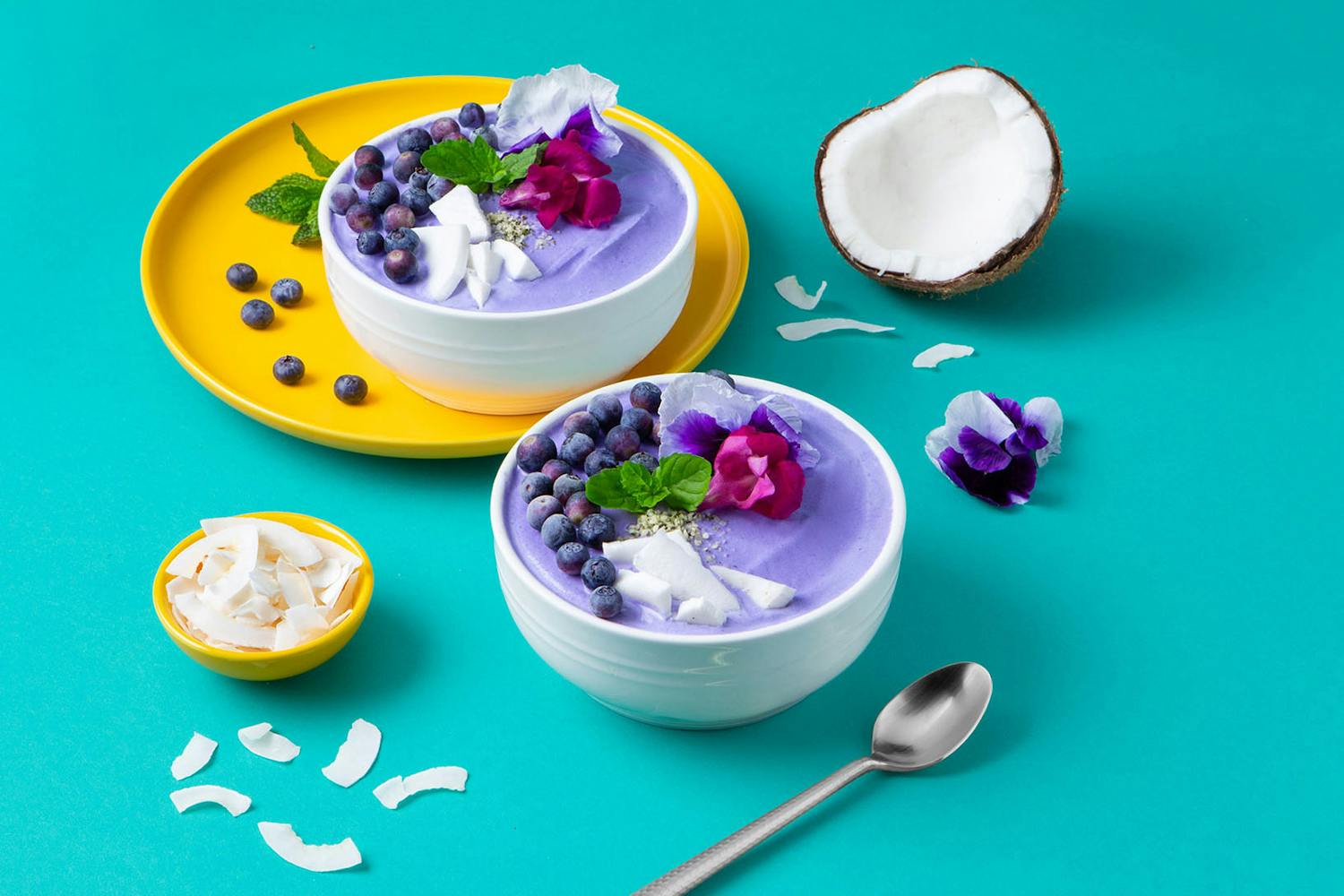
Here's the thing: you don't actually have to pick just one. Some of the most eye catching and well loved desserts combine ube's creamy purple base with the bright pop of strawberries or raspberries on top. The flavors complement each other (rich and mellow against sweet and tart), and the color contrast alone makes for a genuinely stunning presentation, whether it's a layered cake, a swirled smoothie bowl, or a berry topped ube tart.

Final Thoughts
Ube and mixed berries each bring something different to your kitchen. Ube offers a smooth, comforting sweetness that's perfect for rich, indulgent bakes, while mixed berries bring brightness, tang, and texture that work in almost any recipe you can think of. Instead of treating them as competitors, think of them as two flavor tools that expand what you can create, on their own or together.
Ready to elevate your recipes? Explore premium certified organic ube powder options and discover why discerning bakers and chefs across America trust specialized online retailers for their most important ingredients. Your perfect purple creations are waiting to come to life.
👉Order your 100% natural organic ube powder at ube.com
👉 Explore our healthy recipes and join the community of ube enthusiasts!
👉 Subscribe to our newsletter to receive our ube tips and inspiration every week.


