
Ube vs Pandan: Which Flavor Is Best?
If you have spent any time exploring Filipino or Southeast Asian desserts, chances are you have come across two ingredients that show up again and again: ube and pandan. Both are prized for their natural color, their unique aroma, and the way they transform ordinary baked goods into something memorable. Yet despite showing up side by side on so many dessert menus, ube and pandan are actually quite different from one another in flavor, origin, and everyday use.
Before you begin, you can now find all of our UBE products from United States of America by clicking here:

If you are trying to decide which one belongs in your next batch of cookies, cake, or ice cream, this guide breaks down everything you need to know so you can pick the ingredient that fits your recipe and your taste.

What Is Ube?
Ube is a bright purple yam that originated in the Philippines. It has become one of the most sought after natural flavorings in the dessert world thanks to its deep violet color and its soft, sweet taste that many compare to a blend of vanilla and coconut with a hint of nuttiness. Once the yam is dried and milled into powder, it turns into an incredibly convenient baking ingredient that can be stirred into cakes, cookies, custards, drinks, and even some savory dishes.
That signature purple shade comes from anthocyanins, the same class of plant pigments found in blueberries and red cabbage. These compounds are known for their antioxidant content, so along with its striking color, ube also brings a bit of nutritional value to the table.
What Makes Ube Special
- A naturally sweet, creamy flavor that pairs well with dairy, coconut milk, and classic dessert bases
- A bold, eye catching purple hue with zero artificial dyes
- Smooth mixing into batters, doughs, frostings, and creams
- Excellent heat stability, which makes it a reliable choice for oven baking
What Is Pandan?
Pandan is a tropical plant whose long green leaves are a staple across Filipino, Thai, Malaysian, Indonesian, and Vietnamese kitchens. Its flavor is often described as vanilla like with grassy, floral, and slightly nutty undertones, similar in some ways to fragrant jasmine rice. Many home cooks say pandan smells like a garden after rain, fresh and a little sweet all at once.
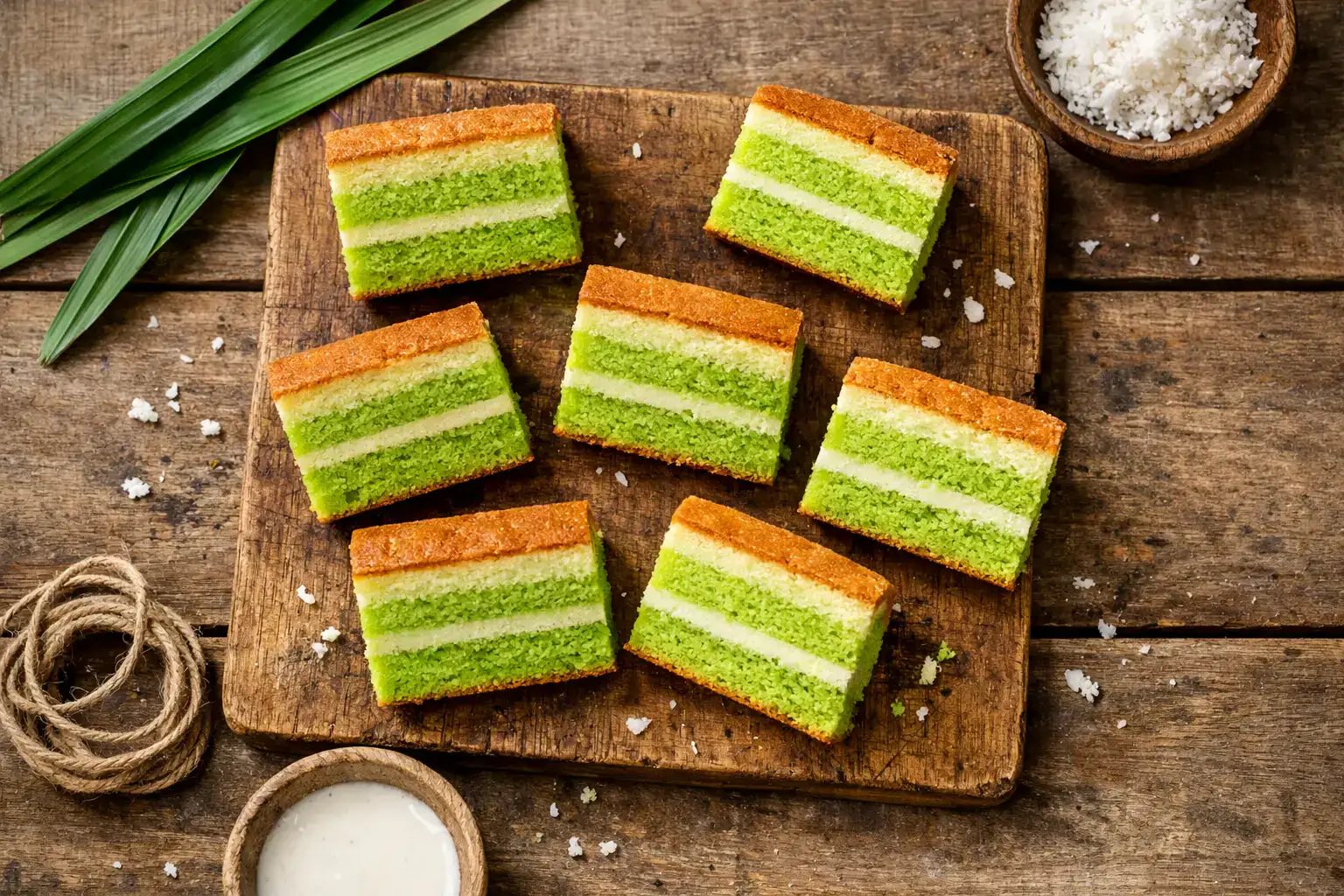
You will typically find pandan sold as an extract, a paste, or a powder, and each version delivers that soft, natural green tint along with the plant's distinctive fragrance. It shows up in countless traditional recipes, from layered cakes to silky custards to sweet coconut rice.
What Makes Pandan Special
- A one of a kind fragrant flavor that is genuinely hard to substitute
- A gentle, natural green color, ideal for recipes that call for a fresh, garden inspired look
- A flavor that pairs beautifully with coconut, rice, and other tropical dessert staples
- Deep roots in traditional Southeast Asian cooking, offering an authentic taste of the region
Ube vs Pandan: The Main Differences
1. Flavor
This is the biggest point of contrast between the two. Ube leans rich, sweet, and creamy, often compared to a mix of vanilla and coconut with a subtle nutty finish. It feels indulgent, which is exactly why it shows up so often in cakes, ice cream, and pastries.
Pandan takes a lighter, more herbal path. It has floral and slightly grassy notes with a whisper of vanilla underneath, and it tends to feel fresher and airier than ube. That makes it a favorite in custards, jellies, and traditional rice based sweets.
If you want a dessert that feels rich and comforting, ube is likely your answer. If you are after something lighter, more fragrant, and distinctly tropical, pandan is probably the better fit.
2. Color
Beyond flavor, both ingredients are loved for the natural color they bring to a finished dish. Ube produces a deep purple to soft lavender shade, while pandan produces a gentle, fresh green.
Planning a purple themed cake or pastry? Ube is your go to. Working on a green colored chiffon cake, coconut jelly, or matcha adjacent dessert? Pandan will get you there without any artificial food coloring.
3. Origins and Traditional Uses
Ube holds a special place in Filipino food culture, most famously in ube halaya, a sweet purple yam jam that has become the base for countless modern desserts, from cakes to ice cream to lattes, now enjoyed well beyond the Philippines.

Pandan has an even broader footprint across Southeast Asia, appearing in dishes from the Philippines, Thailand, Malaysia, Indonesia, and Vietnam. It is not limited to sweets either. Cooks often wrap pandan leaves around rice or meat before cooking to infuse dishes with its fragrance, making it just as important in savory cooking as it is in dessert making.
4. Versatility
Ube's smooth, sweet character makes it especially easy to work into Western style baking. It blends effortlessly into cakes, cookies, ice cream, milkshakes, and lattes, which is part of why it has become so popular in bakeries and cafes across the United States.
Pandan is equally versatile but tends to shine brightest in recipes that lean into its Southeast Asian roots, like sticky rice desserts, custards, and coconut based sweets. It also works wonderfully in modern desserts whenever a lighter, more aromatic flavor is what you are after.
5. How Each Ingredient Is Sold
Ube is most commonly available as a powder, which makes it simple to measure, store, and mix into recipes with consistent results every time.
Pandan comes in a few different forms, including fresh leaves, extract, paste, and powder. Fresh leaves offer the most authentic flavor, but extract and powder are far more convenient for home bakers who do not have easy access to fresh pandan.
Which One Should You Choose?
The right pick really comes down to the flavor and color you are going for.
Choose ube if you want:
- A sweet, creamy, vanilla like flavor
- A purple or lavender color palette
- An ingredient that works well in Western style cakes, ice cream, and pastries
- Consistent, predictable results across many types of recipes
Choose pandan if you want:
- A light, fragrant, floral flavor
- A fresh green color palette
- An ingredient rooted in traditional Southeast Asian desserts
- A flavor that pairs naturally with coconut and rice
Plenty of bakers keep both on hand, reaching for one or the other depending on the mood, the occasion, or the color scheme of the dessert they are making. Used together across different recipes, ube and pandan let you explore a wide range of flavors and colors, all rooted in authentic Filipino and Southeast Asian cooking traditions.
Why Choose Natural Flavor Over Artificial Alternatives?
Whether you land on ube, pandan, or both, choosing a natural, plant based ingredient has real advantages over synthetic flavorings and dyes. Both let you skip artificial additives that more and more shoppers are trying to avoid, while still delivering a flavor experience that no lab made substitute can fully copy.
Baking with ube or pandan means embracing a clean label approach in your kitchen, all while creating desserts with genuinely distinctive flavor and color that your family, friends, or customers will notice right away.
Final Thoughts
Ube and pandan each bring something unique to the table. Ube offers a rich, sweet, vanilla like flavor paired with a striking purple color, making it a favorite for cakes, pastries, and frozen desserts around the world. Pandan offers a lighter, more fragrant, floral flavor paired with a soft green color, deeply tied to traditional Southeast Asian cooking.

Instead of picking a winner, think of these two ingredients as complementary tools, each ready to help you explore the rich and varied flavors of Filipino and Southeast Asian cuisine. Whichever one you reach for first, you can feel good knowing you are adding real, natural flavor and color to whatever you bake.
Ready to elevate your recipes? Explore premium certified organic ube powder options and discover why discerning bakers and chefs across America trust specialized online retailers for their most important ingredients. Your perfect purple creations are waiting to come to life.
👉Order your 100% natural organic ube powder at ube.com
👉 Explore our healthy recipes and join the community of ube enthusiasts!
👉 Subscribe to our newsletter to receive our ube tips and inspiration every week.


