
Ube vs Taro: Clearing Up the Confusion for US Consumers
If you've recently discovered the vibrant world of purple-hued desserts and beverages, you're not alone. The explosion of colorful, Instagram-worthy treats featuring purple root vegetables has taken the United States by storm. However, this surge in popularity has also created considerable confusion: Is that purple in your latte ube or taro?
Before you begin, you can now find all of our UBE products from United States of America by clicking here:

Understanding the difference between these two beloved ingredients isn't just about culinary knowledge it directly impacts the flavors you'll experience, the nutritional benefits you'll receive, and ultimately, your satisfaction with your purchase. As premium ube powder specialists, we're here to clear up the confusion once and for all. 💜
What Exactly Is Ube? The Purple Yam Revolution
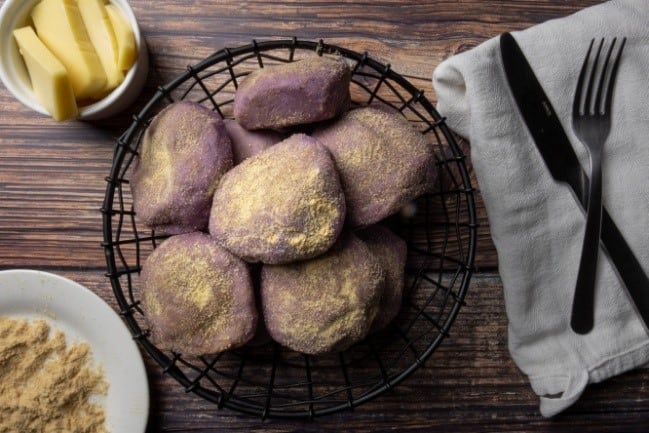
Ube (pronounced "OO-beh") is a vibrant purple yam native to the Philippines, scientifically known as Dioscorea alata. This stunning tuber has been a cornerstone of Filipino cuisine for centuries, and it's now capturing the hearts and taste buds of American consumers.
The Distinctive Characteristics of Ube
When you encounter authentic ube, you'll immediately notice several defining features:
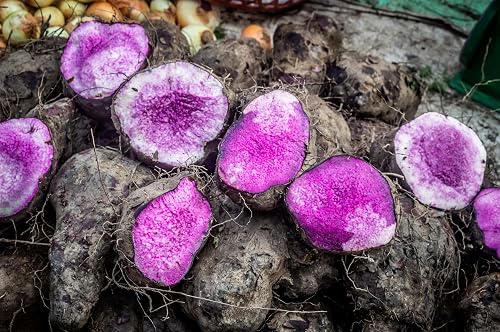
Color Profile: Ube boasts a naturally vivid purple hue that ranges from deep violet to bright lavender. This isn't artificial coloring it's nature's own masterpiece, thanks to powerful anthocyanins (the same beneficial compounds found in blueberries and red cabbage).
Flavor Experience: The taste of ube is genuinely unique. Imagine a delicate sweetness reminiscent of vanilla and white chocolate, with subtle nutty undertones and a hint of coconut. It's naturally sweet without being overpowering, making it incredibly versatile in both sweet and savory applications.
Texture Qualities: When prepared, ube develops a creamy, smooth consistency that's slightly denser than regular sweet potato. This luxurious texture makes it perfect for creating velvety desserts, rich beverages, and satisfying baked goods.
Why Ube Powder Is Taking America by Storm ✨
The convenience of ube powder has revolutionized how American home cooks and professionals alike incorporate this Philippine treasure into their creations. Unlike fresh ube, which can be challenging to source and labor-intensive to prepare, premium ube powder offers:
- Year-round availability without seasonal limitations
- Consistent color and flavor in every batch
- Extended shelf life for your pantry convenience
- Instant usability without the need for peeling, boiling, or mashing
- Concentrated nutrition in a convenient, measurable form
Understanding Taro: The Asian Kitchen Staple

Taro (Colocasia esculenta) is a starchy root vegetable that's been cultivated throughout Asia, Africa, and the Pacific Islands for thousands of years. While it shares some superficial similarities with ube, taro is an entirely different plant with distinct characteristics.
Taro's Unique Properties
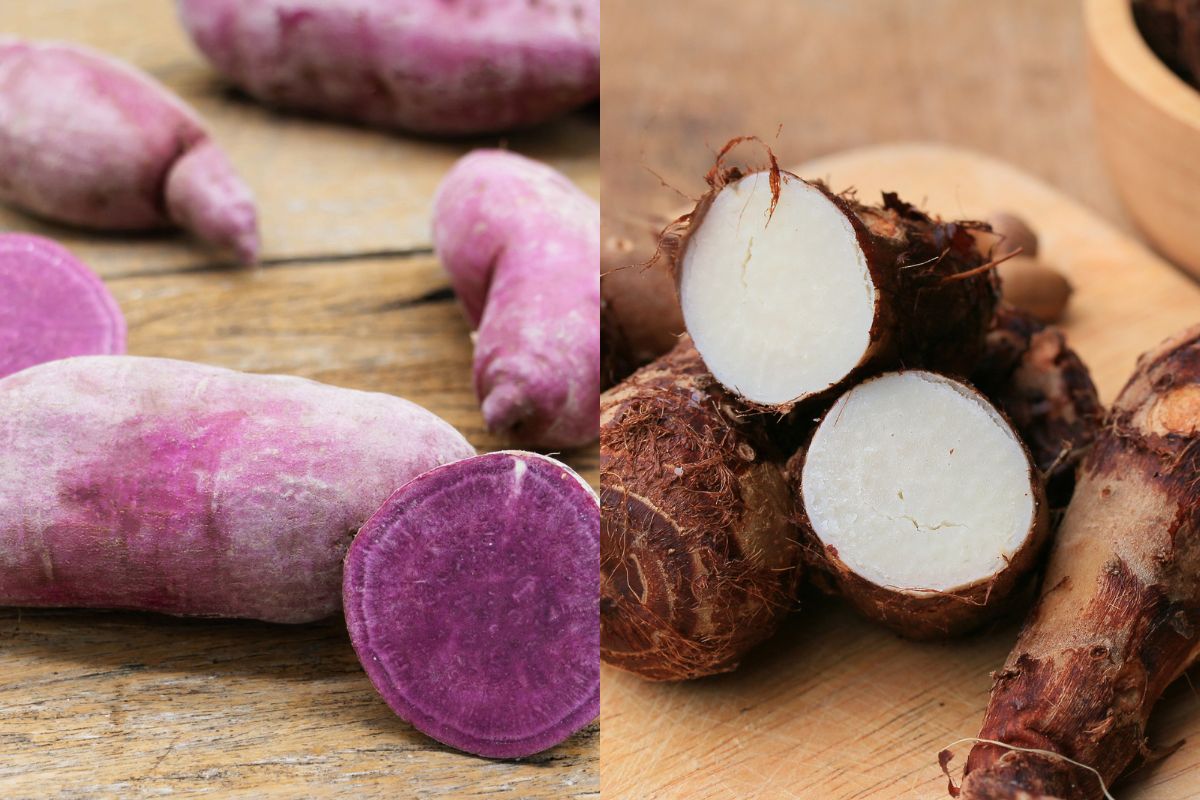
Appearance: Fresh taro root has a brown, hairy exterior. When cut open, the flesh ranges from white to light purple with distinctive purple specks throughout. It's notably less vibrant than ube's bold purple.
Flavor Profile: Taro offers a much more subtle, earthy taste compared to ube. Its flavor is often described as mildly sweet with nutty notes, similar to a cross between potato and chestnut. The taste is more neutral and less distinctive than ube's vanilla-like sweetness.
Culinary Behavior: Taro requires thorough cooking before consumption (raw taro contains compounds that can cause irritation). When prepared, it develops a starchy, slightly grainy texture that's excellent for savory dishes, bubble tea, and certain desserts.
The Key Differences: Ube vs Taro Side-by-Side
Understanding these differences ensures you're getting exactly what you desire for your culinary creations. Let's break down the most important distinctions:
Visual Distinctions 🎨
Ube: Deep, vibrant purple throughout think royal purple or bright violet. The color intensity remains strong even after cooking and processing.
Taro: Pale purple to grayish-white with purple flecks. The color is much more muted and can appear almost beige in some preparations.
Taste Comparison
Ube: Naturally sweet with pronounced vanilla and nutty notes. The sweetness is forward and pleasant, requiring less added sugar in recipes.
Taro: Mild, earthy, and subtly sweet. The flavor is more neutral and vegetal, often requiring sweeteners to create desserts.
Nutritional Profiles 🥗
Ube Benefits:
- Rich in antioxidants, particularly anthocyanins that support cellular health
- Excellent source of potassium for heart health and muscle function
- Contains vitamin C for immune system support
- Provides dietary fiber for digestive wellness
- Lower glycemic index compared to regular potatoes
Taro Benefits:
- High in fiber, promoting digestive health
- Good source of vitamin E and B-vitamins
- Contains resistant starch that supports gut health
- Rich in manganese and other essential minerals
Both offer valuable nutrition, but ube's antioxidant content gives it a distinctive advantage for health-conscious consumers.
Cultural Heritage and Authenticity
Ube: The pride of Filipino cuisine, featured in traditional desserts like halo-halo, ube halaya (jam), and various kakanin (rice cakes). Choosing ube supports Filipino culinary heritage and introduces you to authentic flavors from this rich food culture.
Taro: A pan-Asian ingredient with variations across Chinese, Japanese, Hawaiian, and other cuisines. It's incredibly versatile and appears in both sweet and savory dishes across multiple cultures.
Why the Confusion Exists (And How to Avoid It)
Several factors have contributed to the widespread confusion between ube and taro in the American market:
Marketing Challenges 📢
Many businesses use "taro" as a catch-all term for any purple-colored dessert or beverage, even when ube is the actual ingredient. This happens because taro was introduced to American consumers first, particularly through bubble tea shops, making it the more familiar term.
Visual Similarity in Final Products
When heavily processed or mixed with other ingredients, both ube and taro can create purple-hued final products. However, ube's color is naturally more vibrant and Instagram-worthy, which is why it's becoming the preferred choice for visually striking creations.
Ingredient Substitution
Some businesses substitute one for the other based on availability or cost, without clearly communicating this to customers. This practice undermines consumer trust and perpetuates confusion.
How to Ensure You're Getting Authentic Ube

When shopping for ube products, especially ube powder, protect your investment and ensure an authentic experience by following these guidelines:
Read the Ingredients Carefully 🔍
Look for: "Ube," "purple yam," or "Dioscorea alata" on the label.
Be wary of: Generic terms like "purple sweet potato powder" or "taro" when you specifically want ube. These are different ingredients that will deliver different results.
Check the Color
Authentic ube powder should display a rich, vibrant purple color. If it appears dull, grayish, or excessively pale, it may be mixed with fillers or may not be ube at all.
Choose Reputable Suppliers
Select vendors who specialize in authentic Filipino ingredients and can provide transparent information about their sourcing. Quality ube powder should come from premium Philippine ube, processed to preserve its natural properties.
Verify Product Reviews
Read customer reviews that specifically mention flavor and color. Genuine ube creates a distinctive vanilla-like sweetness that reviewers will mention.
Unlocking the Potential of Premium Ube Powder
Now that you understand the difference, let's explore why premium ube powder deserves a permanent place in your kitchen:
Versatility in Your Kitchen 👨🍳
Breakfast Innovations: Transform your morning routine with ube pancakes, waffles, smoothie bowls, or overnight oats that deliver both nutrition and visual appeal.
Beverage Creations: Create stunning ube lattes, milkshakes, smoothies, or even cocktails that become instant conversation starters.
Baking Excellence: Elevate cakes, cookies, muffins, donuts, and pastries with natural color and unique flavor that sets your creations apart.
Dessert Mastery: Craft ice cream, panna cotta, cheesecakes, or traditional Filipino desserts that showcase authentic flavors.
Savory Surprises: Experiment with ube in pasta sauces, bread, or even as a natural colorant for rice dishes.
Health-Conscious Indulgence 💪
Premium ube powder allows you to enjoy beautiful, flavorful treats while incorporating beneficial nutrients. The antioxidants in ube support overall wellness, while its natural sweetness means you can often reduce added sugars in your recipes.
The Instagram Factor
Let's be honest presentation matters in today's visual culture. Ube's naturally vibrant purple creates photogenic dishes that perform beautifully on social media, whether you're a food blogger, home cook, or professional baker.
Making the Right Choice for Your Needs
Choose Ube When:
- You want naturally sweet, vanilla-forward flavor
- You're creating visually striking, vibrant purple creations
- You're interested in Filipino cuisine and authentic cultural experiences
- You prefer ingredients with higher antioxidant content
- You're making desserts that benefit from natural sweetness
Choose Taro When:
- You prefer mild, earthy flavors
- You're making traditional Asian bubble tea or savory dishes
- You want a neutral base that won't overpower other flavors
- You're creating recipes that specifically call for taro's unique texture
Your Next Steps: Experience Authentic Ube
Understanding the difference between ube and taro empowers you to make informed choices that align with your culinary goals. Whether you're a professional pastry chef, an adventurous home cook, or someone who simply appreciates extraordinary flavors, authentic ube powder opens up a world of creative possibilities.
What to Look For in Premium Ube Powder ⭐
Purity: Single-ingredient products without unnecessary fillers or additives Color Intensity: Rich, vibrant purple indicating high-quality source material Aroma: Sweet, slightly nutty fragrance reminiscent of vanilla Solubility: Fine texture that dissolves easily in liquids Origin: Sourced from the Philippines, ube's native home
Start Your Ube Journey Today
Now that you're equipped with comprehensive knowledge about the ube versus taro distinction, you're ready to explore the magnificent world of authentic ube cuisine. Premium ube powder makes it easier than ever to incorporate this Philippine treasure into your daily cooking and baking.
Don't let confusion hold you back from experiencing one of Southeast Asia's most beloved and versatile ingredients. Whether you're recreating traditional Filipino desserts or innovating with modern fusion cuisine, authentic ube powder delivers consistent, spectacular results every time.

Your kitchen is about to become infinitely more colorful and delicious. Welcome to the ube revolution! 🎉
👉Order your 100% natural organic ube powder at ube.com
👉 Explore our healthy recipes and join the community of ube enthusiasts!
👉 Subscribe to our newsletter to receive our ube tips and inspiration every week.


