
Ube vs Taro: Taste, Color and Nutrition Compared in the US
If you've been exploring trendy superfood ingredients or browsing colorful dessert photos on social media, you've likely encountered both ube and taro. These vibrant root vegetables have taken the American culinary scene by storm, but many of you still wonder: what's the actual difference between them? 🤔
Before you begin, you can now find all of our UBE products from United States of America by clicking here:

Understanding the distinctions between ube and taro will help you make informed choices for your recipes, nutritional goals, and culinary adventures. Whether you're a home baker, a health-conscious foodie, or simply curious about these purple-hued ingredients, this comprehensive guide will clarify everything you need to know.

What Are Ube and Taro? Understanding the Basics
Ube: The Filipino Purple Yam
Ube (pronounced "oo-beh") is a purple yam native to the Philippines, scientifically known as Dioscorea alata. This vibrant tuber has been a staple in Filipino cuisine for centuries and has recently gained massive popularity across the United States. You'll recognize ube by its distinctively bright purple color and sweet, vanilla-like flavor profile.
The ube powder you find in American markets is typically made from dehydrated and ground ube yams, providing you with a convenient way to incorporate this exotic ingredient into your cooking without the hassle of processing fresh tubers. ✨
Taro: The Asian Root Vegetable
Taro, scientifically classified as Colocasia esculenta, is a starchy root vegetable that originated in Southeast Asia and has spread throughout tropical regions worldwide. You might also hear it called "dasheen" or "eddo" depending on the region.
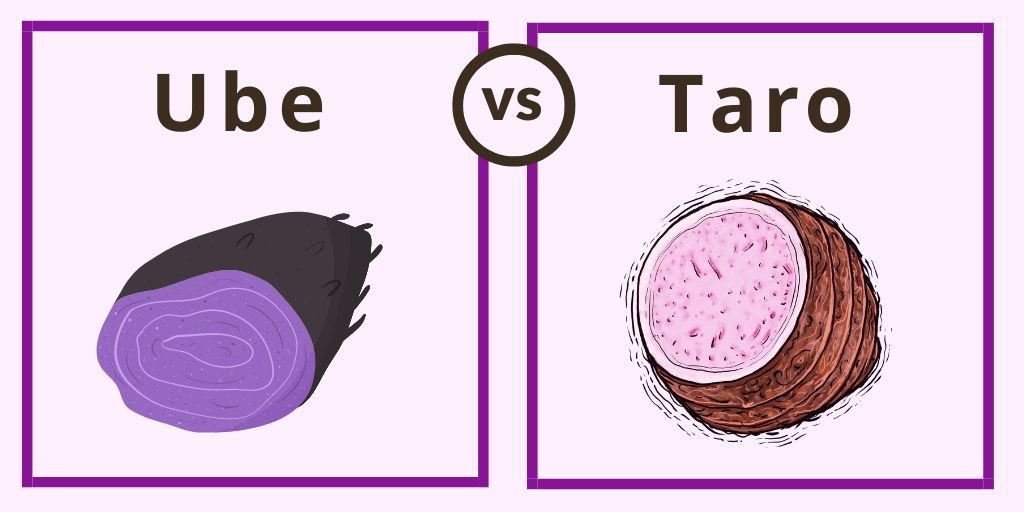
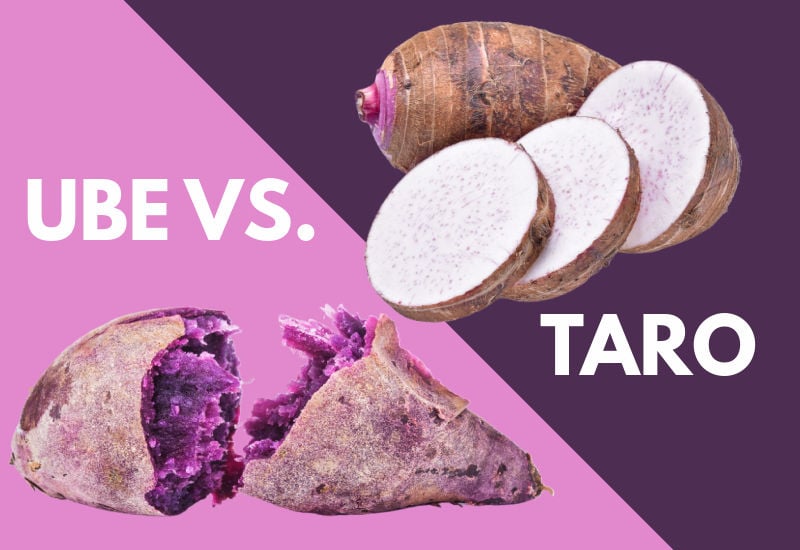
Unlike ube, taro displays a more muted color palette, ranging from white to light purple with occasional darker purple specks. It has been cultivated for over 7,000 years and remains a dietary staple in many Asian, Pacific Islander, and African communities.
Taste Comparison: How Do Ube and Taro Actually Taste?
The Sweet Sophistication of Ube
When you taste ube, you'll immediately notice its naturally sweet flavor profile. Many of you describe it as having notes reminiscent of vanilla, white chocolate, and even a subtle nuttiness. This inherent sweetness makes ube powder an excellent choice for your desserts, smoothies, and sweet baked goods.
The flavor of ube is:
- Naturally sweet without added sugars
- Creamy and rich in texture
- Mild and approachable for American palates
- Versatile for both traditional and modern recipes
The Nutty Earthiness of Taro
Taro offers you a completely different taste experience. It's significantly less sweet than ube and presents a more earthy, nutty flavor that some of you might compare to a cross between a potato and a chestnut. The taste is subtle and slightly starchy, making it ideal for both savory and mildly sweet applications.
Taro's flavor characteristics include:
- Mild earthiness with nutty undertones
- Subtle sweetness that requires additional sweeteners in desserts
- Starchy texture similar to potatoes when cooked
- Neutral base that absorbs other flavors well
Bottom line for your kitchen: If you're creating desserts and want a naturally sweet ingredient that stands out, ube powder is your best choice. For savory dishes or recipes where you want a neutral base that absorbs other flavors, taro works beautifully. 🍰

Color Differences: Why Visual Appeal Matters
Ube's Signature Vibrant Purple
One of ube's most striking features is its electric purple color. When you use authentic ube powder, you'll achieve a bright, almost neon purple hue that ranges from deep violet to lavender depending on the concentration. This natural pigmentation comes from anthocyanins, the same beneficial compounds found in blueberries and red cabbage.
For you as a home cook or baker, ube's vibrant color means:
- Instagram-worthy presentations that attract attention
- Natural food coloring without artificial additives
- Consistent purple shade in your finished products
- Visual differentiation from ordinary desserts
Taro's Subtle Palette
Taro presents a much more understated appearance. When cooked, taro typically displays a grayish-white to pale lavender color. Some varieties show delicate purple specks or streaks, but you'll never achieve the bold, vibrant purple that ube provides naturally.
This color difference is crucial for you to consider when planning your dishes. If visual impact is important for your presentation whether you're posting on social media, selling baked goods, or impressing dinner guests ube powder delivers that "wow factor" that taro simply cannot match. 💜
Nutritional Comparison: What You're Actually Getting
Ube Nutrition Profile
When you incorporate ube powder into your diet, you're adding a nutrient-dense ingredient packed with beneficial compounds. Here's what ube offers you:
Key Nutrients in Ube:
- High in complex carbohydrates for sustained energy
- Rich in fiber supporting your digestive health (approximately 4g per 100g)
- Packed with anthocyanins providing antioxidant protection
- Contains vitamin C boosting your immune system
- Good source of potassium supporting heart health
- Provides vitamin A for eye health and immune function
The anthocyanins in ube are particularly valuable for you because research suggests they may help reduce inflammation, support brain health, and protect against cellular damage. These powerful antioxidants are what give ube its stunning color while simultaneously benefiting your health. 🌟
Taro Nutrition Profile
Taro brings its own impressive nutritional benefits to your table:
Key Nutrients in Taro:
- High in dietary fiber promoting digestive wellness
- Rich in vitamin E protecting your cells from oxidative stress
- Contains vitamin C supporting immune function
- Good source of manganese important for bone health
- Provides potassium helping regulate blood pressure
- Low glycemic index making it suitable for blood sugar management
Taro is particularly noted for its resistant starch content, which acts as a prebiotic in your digestive system, feeding beneficial gut bacteria and supporting overall gut health.
Which Is Healthier for You?
Both ube and taro offer you valuable nutritional benefits, but they shine in different areas:
Choose Ube Powder When You Want:
- Maximum antioxidant content from anthocyanins
- Natural vitamin A for immune and eye health
- A sweet, nutrient-dense addition to your smoothies and desserts
- The combined benefits of taste, color, and nutrition
Choose Taro When You Want:
- Lower glycemic impact for blood sugar management
- Maximum fiber content for digestive health
- A starchy vegetable alternative to potatoes
- Prebiotic benefits for gut health
For most of you seeking a superfood powder to enhance your modern American diet, ube powder provides the most convenient and versatile option with impressive antioxidant benefits. 💪
Culinary Uses: How to Use Ube and Taro in Your Kitchen
Popular Ube Applications
Ube powder has revolutionized home cooking in the US, allowing you to create stunning, nutritious dishes with minimal effort. Here's how you can use ube powder:
Sweet Applications:
- Vibrant purple smoothie bowls and shakes
- Ube halaya (traditional Filipino jam)
- Purple pancakes and waffles
- Colorful ice cream and frozen desserts
- Eye-catching cakes, cookies, and pastries
- Ube lattes and specialty beverages
Why Ube Powder Works for You: Using ube powder gives you convenience that fresh ube cannot match. You don't need to peel, cook, and mash fresh tubers simply add the powder to your recipes and enjoy consistent results every time. The shelf-stable nature means you can keep it in your pantry and use it whenever inspiration strikes. ✨
Popular Taro Applications
Taro's versatility extends across both sweet and savory preparations:
Savory Applications:
- Taro chips and fries
- Creamy taro soups and stews
- Taro cakes (dim sum style)
- Mashed taro as a potato substitute
Sweet Applications:
- Bubble tea (boba) drinks
- Taro-flavored ice cream
- Asian-style desserts and pastries
The Convenience Factor for Your Busy Lifestyle
If you're like most Americans juggling work, family, and personal time, convenience matters. Ube powder offers you unmatched ease of use compared to fresh taro or ube. No peeling, no cooking, no mashing just measure, mix, and create. This convenience factor has made ube powder a favorite among busy home cooks, health-conscious individuals, and creative bakers across the United States. ⏰

Ube vs Taro: Quick Comparison Chart
| Feature | Ube | Taro |
|---|---|---|
| Color | Vibrant purple | Pale purple to white |
| Taste | Sweet, vanilla-like | Nutty, earthy, mild |
| Texture | Creamy, smooth | Starchy, drier |
| Best For | Desserts, sweet drinks | Both sweet and savory |
| Sweetness Level | Naturally sweet | Requires added sweeteners |
| Convenience (powder form) | Extremely convenient | Less commonly available as powder |
| Visual Impact | High | Moderate |
| Antioxidants | Very high | Moderate |
| Glycemic Index | Moderate | Lower |
Why Choose Ube Powder for Your American Kitchen
As the ube trend continues to grow across the United States, more of you are discovering why this Filipino superfood deserves a permanent place in your pantry. Here's what makes ube powder an exceptional choice:
Unmatched Convenience
You don't need to source fresh ube (which can be difficult in many parts of the US), learn complex preparation techniques, or spend hours in the kitchen. Premium ube powder gives you authentic flavor and color in seconds. 🚀
Natural Beauty
In an era where you're increasingly conscious of artificial additives, ube powder provides you with natural, vibrant color from real food sources. No synthetic dyes, no chemical additives just pure, plant-based color that's as beautiful as it is wholesome.
Nutritional Benefits
You're not just adding color and flavor you're incorporating a genuine superfood rich in antioxidants, vitamins, and minerals that support your overall wellness goals.
Versatility
From your morning smoothie to your evening dessert, ube powder adapts to your creative culinary vision. It works beautifully in hot and cold preparations, baked goods, beverages, and frozen treats.
Social Media Appeal
Let's be honest we eat with our eyes first, especially in the Instagram age. Ube powder helps you create visually stunning dishes that stand out in your feed and impress your friends and family. 📸
How to Choose Quality Ube Powder
Not all ube powders are created equal. When you're shopping for ube powder, look for these quality indicators:
✅ 100% pure ube without fillers or artificial colors ✅ Vibrant natural purple color indicating authentic ube content ✅ Fine powder texture that dissolves easily ✅ Natural sweet aroma characteristic of real ube ✅ Transparent sourcing from reputable suppliers ✅ No added sugars in pure powder formulations
Premium ube powder should smell sweet and earthy, with that distinctive vanilla-like aroma that makes ube so special. If it lacks fragrance or smells artificial, you're probably not getting authentic ube.
Getting Started with Ube Powder: Tips for Success
Ready to incorporate ube into your cooking? Here are practical tips to ensure your success:
Proper Measurements
Start with small amounts a little ube powder goes a long way in both flavor and color. For most recipes, 1-2 tablespoons per cup of liquid or batter provides beautiful color and authentic taste.
Mixing Techniques
For smoothest results, mix your ube powder with a small amount of liquid first to create a paste, then incorporate it into your recipe. This prevents clumping and ensures even distribution.
Storage
Keep your ube powder in an airtight container in a cool, dark place. Properly stored, it maintains its vibrant color and flavor for months, giving you convenient access to this superfood whenever you need it.
Experimentation
Don't be afraid to experiment! Ube powder works wonderfully in recipes you already love. Try adding it to your favorite pancake mix, yogurt bowl, or protein shake to discover new flavor combinations. 🎨
The Bottom Line: Ube vs Taro for American Consumers
Both ube and taro offer you unique benefits and culinary possibilities. However, if you're looking for a single ingredient that delivers stunning visual appeal, naturally sweet flavor, impressive nutritional benefits, and unmatched convenience, ube powder is your clear winner.
Taro certainly has its place in traditional Asian cooking and offers valuable nutritional benefits, but for modern American kitchens where convenience, visual impact, and versatility matter most, ube powder provides superior value.
Whether you're a health-conscious individual seeking nutrient-dense superfoods, a creative home baker wanting to impress with stunning purple creations, or simply someone curious about exploring Filipino cuisine, premium ube powder opens up a world of delicious possibilities.
Ready to Experience the Ube Difference?
Now that you understand the distinctions between ube and taro, you're equipped to make informed decisions for your culinary adventures. The vibrant color, naturally sweet taste, and impressive nutritional profile of ube make it an exceptional addition to your modern American kitchen.

Don't settle for artificial colors or complicated preparations. Choose authentic, premium ube powder and discover why this Filipino superfood has captured the hearts (and taste buds) of food enthusiasts across the United States. Your next purple creation is just a scoop away! 💜✨
👉Order your 100% natural organic ube powder at ube.com
👉 Explore our healthy recipes and join the community of ube enthusiasts!
👉 Subscribe to our newsletter to receive our ube tips and inspiration every week.


