
Why Does My Ube Latte Change Color?
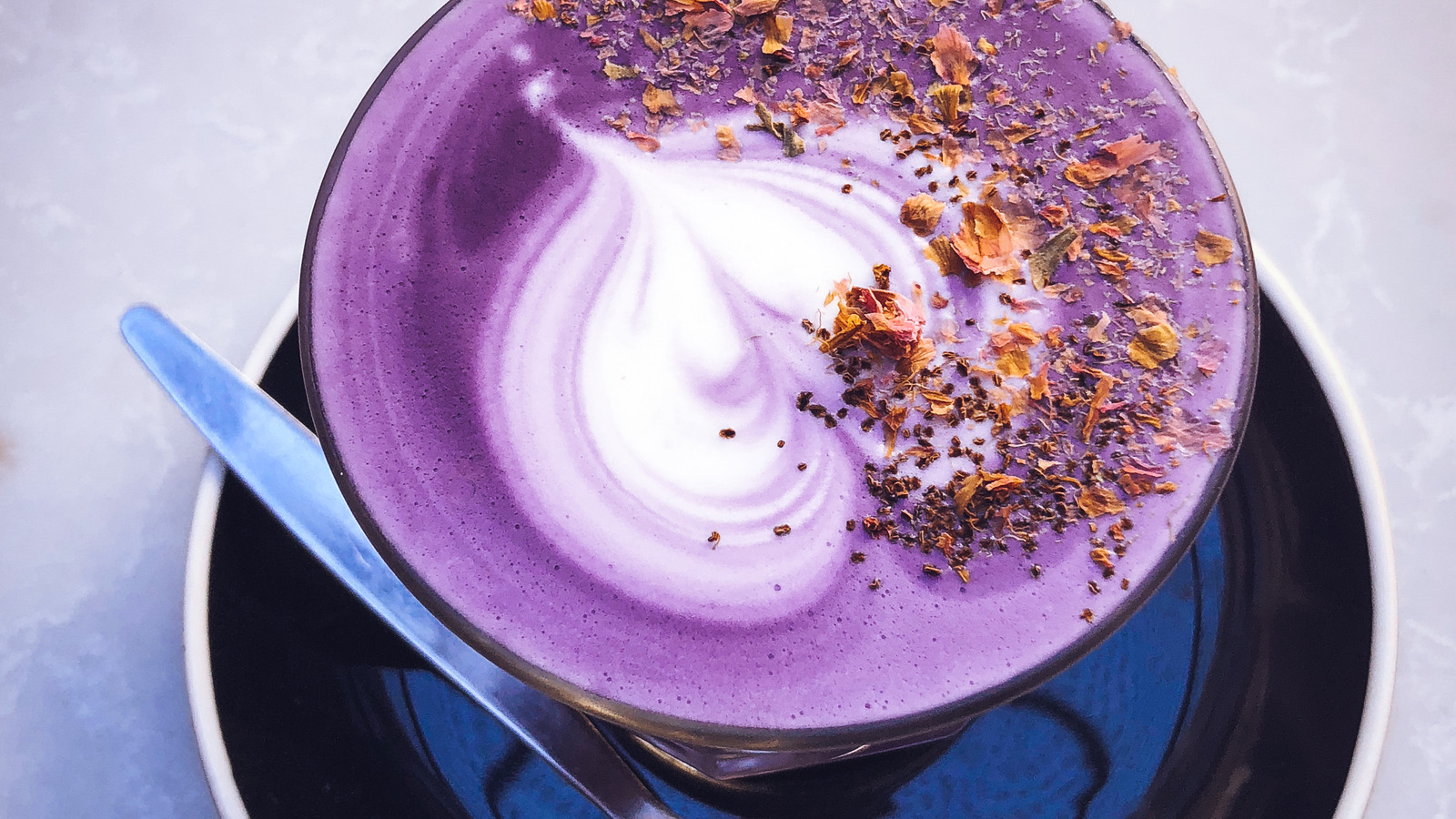
Have you ever made an Ube Latte at home only to watch its shade shift right before your eyes, from a deep royal purple to a lighter lavender, or even a hint of pink or blue? If so, rest assured: this is completely expected, and it is actually a great sign about the quality of your Ube powder. 💜

Before you begin, you can now find all of our UBE products from United States of America by clicking here:

In this guide, you will learn exactly what causes these color shifts, which factors influence the final shade of your latte, and how you can achieve a consistently gorgeous purple cup every time you brew.

What Makes Ube Naturally Purple? 🍠
Ube is a purple yam grown throughout the Philippines, celebrated for its striking color and its sweet, subtly nutty, vanilla-like taste. That signature violet tone comes from natural plant pigments called anthocyanins, the same family of compounds that give blueberries, purple cabbage, and purple sweet potatoes their color.
Unlike synthetic food dyes, anthocyanins are living, reactive pigments. They respond to their surroundings, which is exactly why the color of your Ube Latte is never completely fixed. Once you understand this, any shift in shade becomes a reassuring sign that you are working with a genuinely natural, high quality product rather than a red flag. ✨
Top Reasons Behind the Color Shift in Your Ube Latte
1. Acidity Level of Your Ingredients
Anthocyanins act almost like a natural pH strip. Their color depends heavily on whether the surrounding liquid is acidic, neutral, or alkaline.
- More acidic additions (citrus infused syrups, certain flavored milks, or a splash of fruit juice) can nudge the color toward pink or a warmer magenta tone.
- Neutral or mildly alkaline liquids, like standard dairy milk or many oat milk brands, help maintain a rich, true purple.
- Slightly alkaline ingredients, such as some mineral waters or baking soda treated products, may push the shade toward a cooler blue or teal.
This single factor is usually the biggest driver of color variation, which is why identical Ube powder can look noticeably different depending on the milk you choose. 🥛
2. Your Choice of Milk
The base you use makes a real difference:
- Whole dairy milk delivers a creamy, classic purple that holds its color well.
- Oat milk often brings out a soft, dreamy lavender thanks to its gentle pH.
- Almond milk can sometimes produce a slightly paler shade because of its lower protein content.
- Coconut milk frequently intensifies the color, giving you a deeper, more dramatic purple.
For the most vibrant and repeatable results, try a small test batch with your go to milk first, then fine tune the ratio of Ube powder to milk until you reach the exact shade you love.

3. Temperature of Your Milk or Water
Heat has a direct effect on how long these pigments stay vivid. When anthocyanins sit in high heat for a while, they gradually break down, which softens the color over time. That is why:
- A hot latte can look noticeably lighter a few minutes after preparation than it did right when you mixed it.
- An iced Ube Latte tends to hold onto its bold, saturated purple for much longer, since cooler temperatures help stabilize the pigment.
If a deep, photo worthy purple is your goal, an iced version is usually your best bet. 🧊
4. Time, Air, and Light Exposure
Just like many other natural plant based ingredients, anthocyanins are somewhat sensitive to prolonged exposure to air and light. If your latte sits out for an extended period before you drink it, you might notice the color mellowing slightly or losing some of its initial punch. This is purely cosmetic and has zero effect on flavor or safety.
5. Quality and Concentration of Your Ube Powder
Not all Ube powders are created equal, and the vibrancy you start with depends heavily on how the powder was sourced and processed. A premium, carefully made Ube powder retains far more of its natural anthocyanin content, which translates into:
- A deeper, richer starting color
- Greater resistance to fading over time
- More consistent results from one batch to the next
This is exactly why choosing a high quality, pure Ube powder makes such a visible difference in your finished drink. 🌟

Does a Color Change Mean Something Is Wrong?
Not at all. A shifting shade is simply a natural chemical reaction, not a sign that your Ube powder has spoiled or lost quality. In many ways, it is actually reassuring proof that you are using a real, plant derived pigment rather than an artificial dye, which typically stays flat and unchanged no matter what you mix it with.
If you ever notice an off smell, unusual taste, or strange texture, that would be the true signal to check your product's freshness, not the color by itself.
How to Get a Consistently Vibrant Ube Latte Every Time 💜
If you would like to minimize color variation and enjoy that signature deep purple in every cup, try these simple, effective tips:
Pick the Right Milk Base
Whole dairy milk or coconut milk tend to deliver the most stable, richly saturated purple.
Mix Your Ube Powder the Right Way
Always whisk your Ube powder into a small amount of warm, not boiling, water or milk first to form a smooth paste before adding the rest of your liquid. This helps the pigment disperse evenly and prevents clumping, which can make the final color look uneven or patchy.
Enjoy It Fresh
For the boldest color and best flavor, drink your Ube Latte soon after preparing it, whether you serve it hot or over ice.
Store Your Ube Powder Properly
Keep your Ube powder somewhere cool and dry, away from direct sunlight, and reseal the packaging tightly after every use. This protects the natural pigments so your next batch looks just as striking as the last.
Play With Your Ratios
Want a deeper, more dramatic hue? Simply add a bit more Ube powder. Prefer a soft pastel look instead? Use less. Either way, you are fully in control of your final result. 🎨
Embracing the Natural Side of Ube
Ultimately, the color variations you notice in your Ube Latte are a wonderful reminder that you are enjoying a real, natural ingredient rather than an artificial shortcut. Every subtle change, from deep violet to soft lilac to a hint of blue, reflects genuine plant chemistry happening right in your cup.
Instead of seeing this as a problem, think of it as part of the charm. Much like a cup of tea can look different depending on how long it steeps, your Ube Latte carries its own small story in every sip.
Final Thoughts
So why does your Ube Latte change color? It mainly comes down to five things: the acidity of your ingredients, the milk you choose, temperature, exposure to air and light, and the overall quality of your Ube powder. None of these are reasons for concern. They are simply proof that you are enjoying an authentic, naturally pigmented product.

If you are searching for a premium Ube powder that delivers a vivid color and smooth, authentic flavor batch after batch, you have come to the right place. Shop our collection today and discover just how magical your next Ube Latte can be. 💜✨
Ready to elevate your recipes? Explore premium certified organic ube powder options and discover why discerning bakers and chefs across America trust specialized online retailers for their most important ingredients. Your perfect purple creations are waiting to come to life.
👉Order your 100% natural organic ube powder at ube.com
👉 Explore our healthy recipes and join the community of ube enthusiasts!
👉 Subscribe to our newsletter to receive our ube tips and inspiration every week.


